A sturdy, well-maintained roof protects your home from the elements and maintains its value. However, many homeowners overlook the threat posed by animals that can cause significant damage to roofs, leading to costly repairs and potential health hazards.
Pests such as rats, birds, squirrels, raccoons, and bats can invade roofs and attics, creating nests, gnawing on wood or electrical wires, and leaving behind droppings that can cause mold and mildew growth. This comprehensive guide will provide valuable insights and practical steps to protect your home against animal roof damage, ensuring a safe, secure, and healthy living environment for you and your family.
1. Regular Roof Inspections
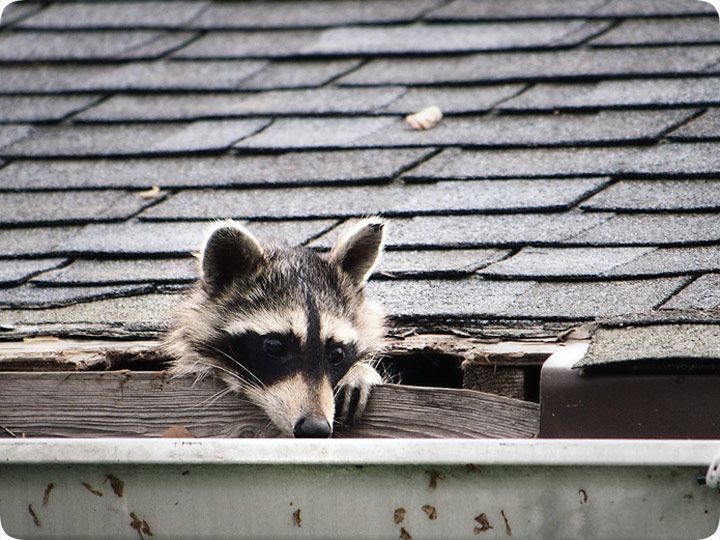
Regular roof inspections play a crucial role in identifying and preventing animal damage to your home. By conducting thorough inspections, you can spot early signs of animal activity and take appropriate action to deter them from causing further damage.
Plan roof inspections at least twice a year, ideally during spring and fall or after severe weather events. This will allow you to detect damage or potential animal entry points before they escalate into more significant issues.
Lastly, look for telltale signs of animal activity, such as droppings, nests, chewed or damaged shingles, and holes or entry points in your roof or attic. Pay attention to unusual noises like scratching or scurrying sounds from the roof or attic.
2. Trim Overhanging Tree Branches
Trimming overhanging tree branches is an effective way to deter animals from accessing your roof and causing damage. Many animals, such as squirrels, raccoons, and birds, use tree branches as convenient pathways to your home’s roof, where they can nest, chew on shingles or wood, and leave behind droppings that may lead to mold and mildew.
Here are some essential tips for trimming overhanging tree branches to protect your roof from animal damage:
- Assess tree proximity
- Create a safe distance (10 feet)
- Prune regularly
- Remove dead or damaged branches
- Be mindful of local regulations and nesting birds
By following these tips and keeping tree branches at a safe distance from your roof, you can significantly reduce the likelihood of animals causing damage to your home.
3. Install Roof and Gutter Guards
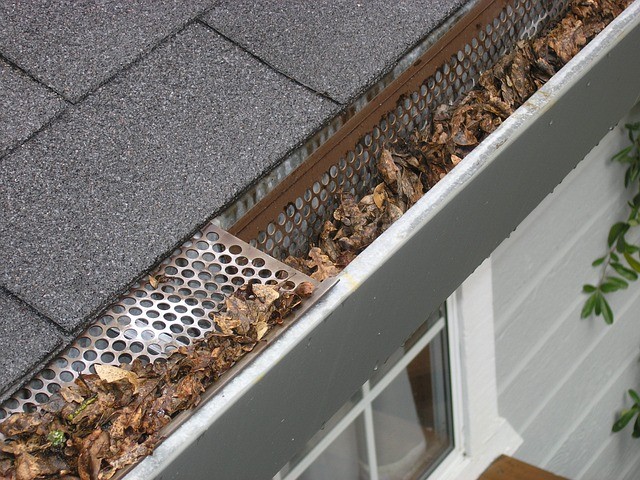
Installing roof and gutter guards is an effective method for protecting your home from animal damage. These guards act as barriers that prevent animals from accessing vulnerable areas of your roof, while also keeping your gutters free of debris.
Here are some essential tips for installing roof and gutter guards to protect your home against animal damage:
- Choose the proper roof guards
- Install guards in vulnerable areas
- Select suitable gutter guards
- Ensure proper installation
- Regular maintenance
- Combined with other preventive measures
Installing roof and gutter guards can significantly reduce the risk of animal damage to your roof and gutters. When properly installed and maintained, these barriers will keep animals at bay and help maintain the integrity of your home’s exterior.
Lastly, inspect your roof for gaps, cracks, or holes and seal them with caulk, wire mesh, or expanding foam. Don’t forget to check your soffits, eaves, and fascia boards for any damage or openings needing repair.
4. Maintain Proper Attic Ventilation
Maintaining proper attic ventilation while protecting against animal damage is crucial for the health of your home. Proper ventilation helps regulate temperature and moisture levels, preventing mold growth, wood rot, and ice dams.
Here’s how to maintain attic ventilation while preventing animal damage:
- Inspect your attic
- Identify existing vents
- Install animal-proof vent covers
- Protect soffit vents with guards or hardware cloth
- Use a metal flashing or hardware cloth to create a barrier in ridge vents
- Install a gable vent guard
- Install a turbine vent guard
- Clean and repair any damaged vent covers or screens as needed.
- Keep tree branches and vegetation trimmed back from your home.
5. Install Deterrent Devices
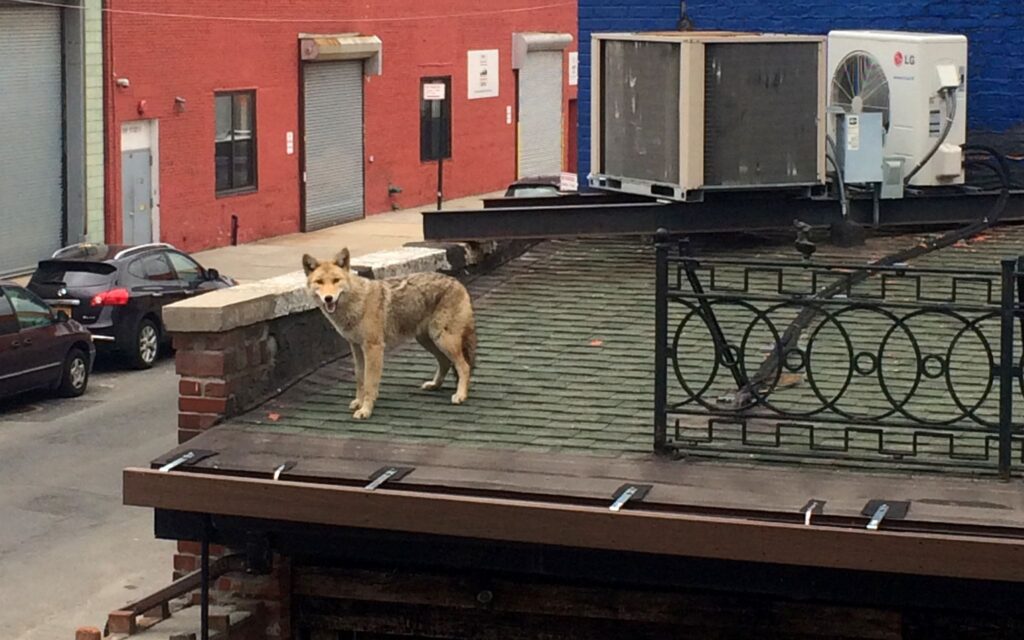
Installing deterrent devices can help protect your home and property from animal damage. These devices discourage animals from entering or nesting in your home by making the area less inviting or more challenging to access.
Here are some deterrent devices and strategies to consider:
- Install bird spikes or netting
- Use ultrasonic repellents
- Install motion-activated sprinklers
- Install flashing lights and noise makers
- Use chemical repellents
- Apply rodent-proofing materials
- Install tree guards or metal flashing
- Install fencing around your yard
- Keep trash cans secured with tight-fitting lids
If you are experiencing persistent animal problems or are uncomfortable installing deterrent devices, consider hiring a professional wildlife control company to assess your situation and recommend appropriate solutions.
6. Remove Food Sources
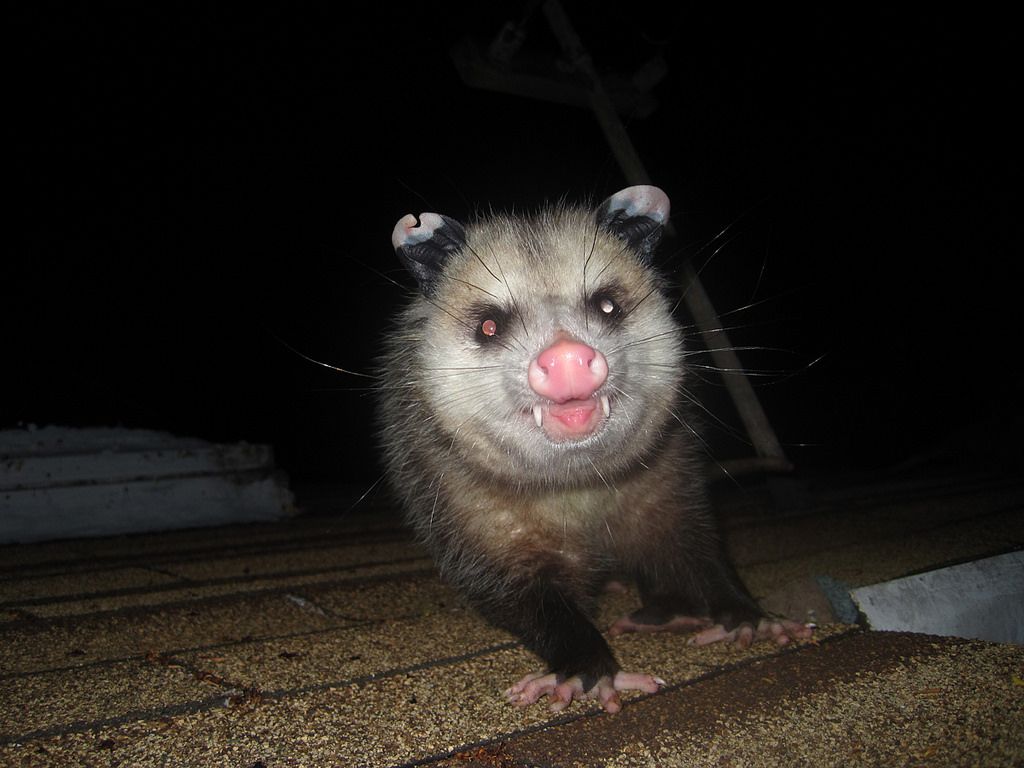
Eliminating food sources around your home is essential in preventing roof animal damage. Animals are attracted to areas that offer easy access to food, so removing these temptations will make your property less appealing.
Here are some steps to remove food sources and discourage animals from targeting your roof:
- Secure trash cans
- Clean up pet food
- Manage bird feeders
- Remove fallen fruit and nuts
- Maintain your garden
- Keep compost contained
- Maintain outdoor grills
- Store bird seed and pet food properly
- Educate neighbors
7. Seek Professional Help
If you are dealing with persistent animal roof damage, consider hiring a professional wildlife removal service. They can safely remove animals, assess the extent of the damage, and recommend the necessary repairs and preventative measures to protect your home from future invasions.
Conclusion: Safeguarding Your Roof from Animal Damage
Safeguarding your home from animal roof damage is essential for maintaining your property’s structural integrity and value. By implementing the preventative measures mentioned above, you can deter animals from accessing your roof and causing costly damage.
In addition, utilizing deterrent devices and removing food sources can further discourage pests from targeting your home. For persistent issues, seeking professional help is recommended to ensure the safe removal of animals and the implementation of effective prevention strategies.
Ultimately, taking a proactive approach to protecting your home from animal roof damage will save you time, money, and potential health risks in the long run.