
ASPHALT SHINGLE
Mismatched Shingle Patch Replaced
Before: an asphalt shingle roof with a conspicuous mismatched patch in the field. After: a uniform new shingle surface across the full plane.
Licensed California Roofing Contractor, CSLB #896271
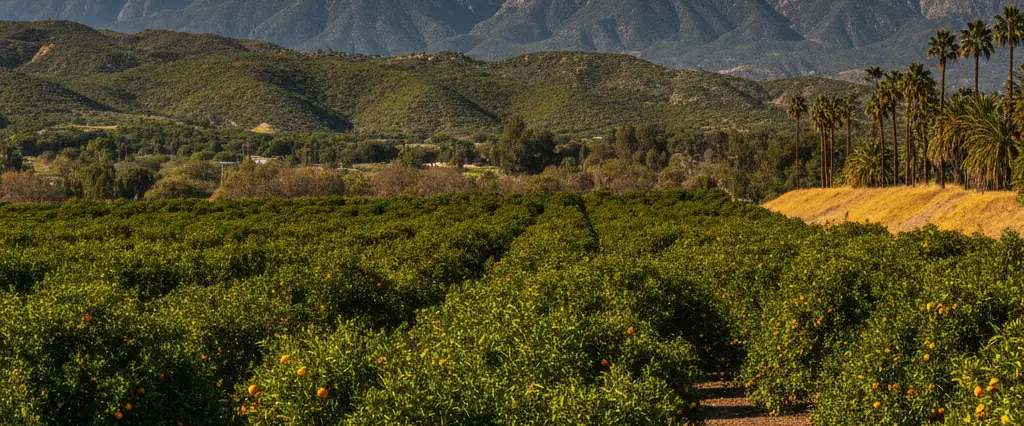
Desert Hot Springs sits on the elevated northern edge of the Coachella Valley, and that elevation produces sustained wind exposure on top of the extreme heat, monsoon, and dust load that defines all desert roofing here. Housing stretches from 1960s-1980s mid-century desert ranches through 1990s-2010s tract development and the Mission Lakes Country Club gated community. Concrete tile and low-slope foam roofs dominate, with asphalt shingle on older affordable tracts. We work through Title 24 Climate Zone 15 cool-roof compliance, post-monsoon inspection, and HOA architectural review with Desert Hot Springs Building & Safety submittals on every job.





Desert Hot Springs's housing splits into 1960s-1980s mid-century desert ranches around the original townsite, 1990s-2010s tract development across the central and southern neighborhoods, and the Mission Lakes Country Club gated community on the western edge. Low-slope foam dominates mid-century flat roofs, concrete tile holds the newer tract stock, and asphalt shingle covers older affordable housing. The city's elevated position north of the valley floor increases sustained wind exposure year-round, on top of the standard Coachella Valley monsoon and dust profile. Climate Zone 15 Title 24 cool-roof requirements apply on every replacement and we engineer prescriptive solar-reflectance compliance into each quote.
Roof Doctors provides every category of roofing service across Desert Hot Springs, including the Tier 1 hubs for repair and storm damage along with our standalone services. Each links to the dedicated service page with full pricing and process details.
Targeted shingle, tile, wood shake, and flat-roof repair across Desert Hot Springs. Property age and material mix vary; the work scope follows from the inspection findings.
Full re-roofs with GAF and Owens Corning materials. Title 24 cool-roof and Chapter 7A wildfire-rated assemblies apply for Desert Hot Springs zones that require them.
Pre-storm, pre-listing, and insurance-claim inspections statewide. Documented written reports tailored to Desert Hot Springs property age and exposure.
2-year leak-free certification per California BPC Section 7197. Required for many real estate transactions in this area.
Full-service residential roofing across Desert Hot Springs. HOA coordination where applicable, daily site cleanup, and homeowner-scale warranties.
TPO membrane, silicone coating, and flat-roof systems for Desert Hot Springs commercial properties.
Riverside's range from Inland Empire humidity to Coachella Valley extreme dry cycles drives recurring dry rot pressure on Riverside properties.
Heavy winter rain, wind, and hail damage response. Direct adjuster coordination with 14 carriers serving Desert Hot Springs and Riverside County.
Gutter protection systems for Desert Hot Springs's seasonal leaf and debris load. Prevents fascia damage, backups, and roof penetration leaks.
Desert Hot Springs's housing stock spans four primary roofing materials, each with distinct repair and replacement considerations. Roof Doctors maintains C-39 licensed crews trained on every material type in the local market.
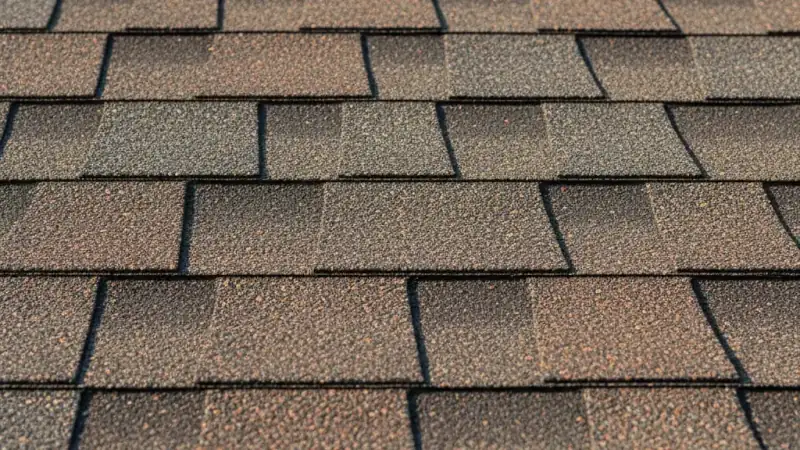
The most common Desert Hot Springs roof material on residential properties. Riverside County's climate typically yields 12 to 20 years of asphalt service life.
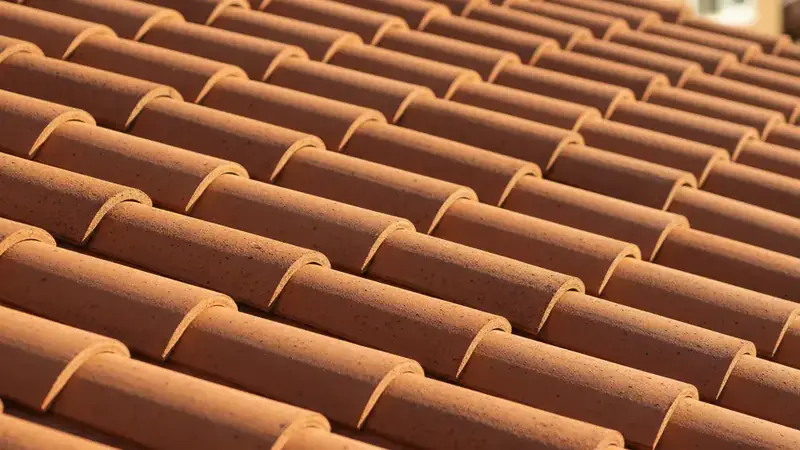
Clay and concrete tile is common across Desert Hot Springs's newer construction. Tile handles UV well but requires specialty repair after hail or impact events.
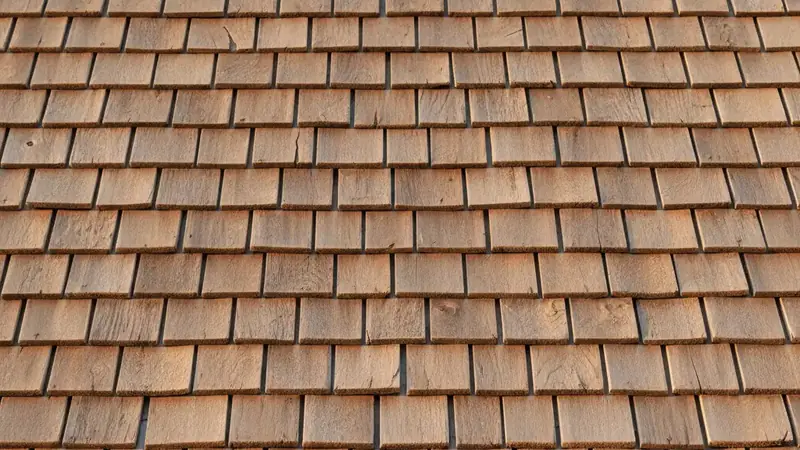
Found on older Desert Hot Springs homes and historic buildings. Riverside's foothill wildfire risk and desert extreme UV have moved nearly all properties off wood shake. Roof Doctors specialty since 1987.
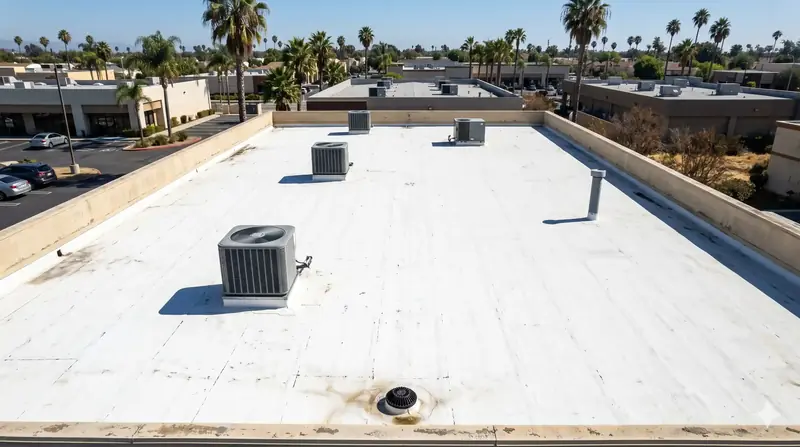
TPO membrane, silicone coating, and built-up roofing on Desert Hot Springs commercial buildings and some modern residential designs. Heavy winter rain is the leading flat-roof failure trigger locally.
Two intake paths depending on who you are. Both connect you to a licensed C-39 inspector within 1 to 2 business days.
Trouble with storm damage, maintenance, or leaks? Request a Roof Inspection and a friendly, knowledgeable technician will be on-site within 1 to 2 business days.
If you're looking for an inspection as part of the real estate process, we've got you covered. Make sure to ask about our signature Two-year Certification Warranty.
Riverside County spans an extreme climate range: the Inland Empire tract suburbs (Corona, Riverside, Moreno Valley, Eastvale, Jurupa Valley, Norco) sit in a hot Mediterranean valley with Santa Ana wind events; the inland-to-mountain transition (Hemet, Beaumont, Banning) sees similar conditions plus foothill wildfire risk; the Coachella Valley DESERT communities (Palm Springs, Palm Desert, Rancho Mirage, Indio, La Quinta, Coachella, Cathedral City, Desert Hot Springs) see extreme summer heat (115 degree Fahrenheit+ routine June through September) and summer monsoonal microbursts.
Desert Hot Springs's elevated northern-valley position adds sustained wind exposure to the Coachella Valley's 115F-plus heat, monsoon microbursts, and dust storms, compressing asphalt shingle service life to roughly 12-15 years while increasing uplift load on every assembly.
Heavy winter storms bring sustained high winds and concentrated rainfall.
The county spans Inland Empire Mediterranean tract, foothill wildfire zones, and desert communities. Roof material and assembly selection vary dramatically by climate position within the county.
Coachella Valley (Palm Springs, Palm Desert, Indio) and high desert (Victorville, Apple Valley, Twentynine Palms) see 105 to 115 degree Fahrenheit+ summer routine, shortening asphalt service life to 12 to 16 years.
Desert communities see summer monsoonal microbursts bringing intense brief wind and rain.
Inland Empire and foothill communities see significant Santa Ana wind events driving wildfire risk in the WUI zones. In wildland-urban interface zones, California's Chapter 7A requires Class A fire-rated roof assemblies.
Roof Doctors provides service across Desert Hot Springs's residential areas. Coverage and inspection approach reflect the property age and exposure profile of each address.
A few examples of roofing work completed by our crews.
Before: an asphalt shingle roof with a conspicuous mismatched patch in the field. After: a uniform new shingle surface across the full plane.
Before: a tile roof with the hip opened up and tiles removed for access. After: new hip flashing and underlayment installed, photographed before the tiles were re-laid.
Before: a concrete tile roof with lifted tiles exposing worn valley and hip flashing. After: new metal flashing installed, photographed with the tile staged before it was re-laid.
Permit requirements for Desert Hot Springs roofing work depend on the scope and the jurisdiction. Roof Doctors handles all permit coordination as part of the contract price.
The same 5-step process across every Desert Hot Springs project, from initial inspection through warranty registration.
C-39 licensed inspector visits your Desert Hot Springs property, documents damage, identifies underlying causes.
No-obligation written estimate detailing scope, materials, timeline, and warranty terms.
If applicable, direct adjuster coordination, claim documentation, and approval processing.
Professional installation by trained crew. Daily site cleanup. All Desert Hot Springs-area permits pulled.
Post-completion inspection, warranty registration, documentation transfer.
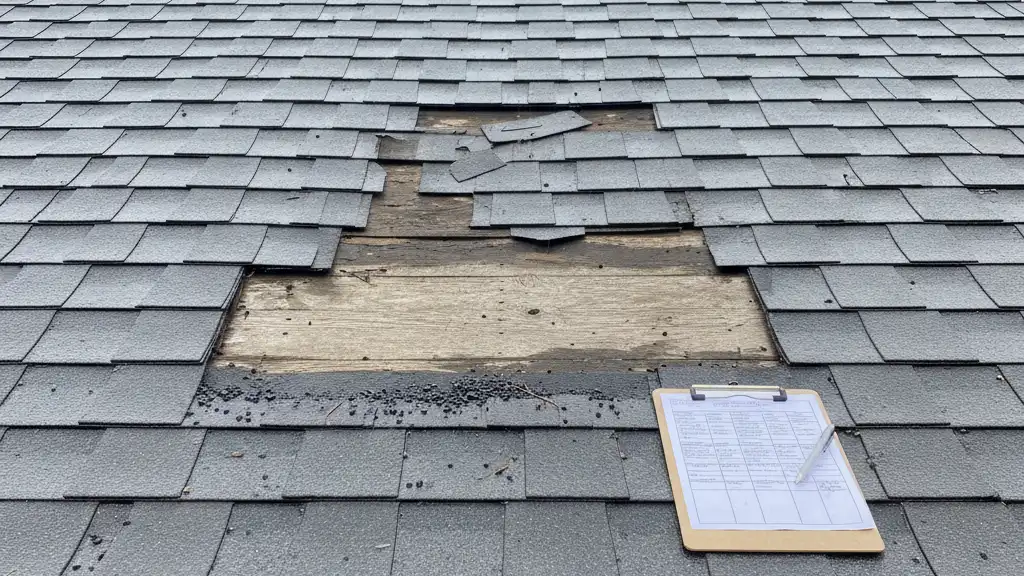
Wind, hail, and water damage from winter storms are common causes of roof insurance claims and are typically covered by homeowners insurance. Roof Doctors documents damage, coordinates with adjusters, and processes claims with every major California carrier.














Three and a half decades of California-specific expertise applied to Desert Hot Springs's specific roofing profile. Local case studies, named C-39 inspectors, and Southern California dispatch.
Every Desert Hot Springs project staffed by license-quality repairmen. C-39 standards apply to all work, every job, every neighborhood.
1-year workmanship plus 4-year installation defects on every Desert Hot Springs repair. Optional 2-year leak-free certification per California BPC Section 7197.
★★★★★
4.7 stars across 652 Google reviews
“Prompt, very informative, and honest. Bill inspected my roof. No leaks. End of story. They had certified my roof a year prior. I am very satisfied with the level of service.”
“Showed up quickly during a storm, figured out problem, provided a solution.”
“Troy was informative and professional. Would recommend to other home owners.”
Answers to the most common Desert Hot Springs-specific roofing questions.
Roof repair costs in Desert Hot Springs depend on the specific roof, so the price is determined after an inspection rather than quoted from a table. The main factors are the size and pitch of the roof, the roofing material, how many existing layers need to be removed, the condition of the decking underneath, how accessible the roof is, and whether related work such as flashing, ventilation, or gutter repair is needed. Damage that is not visible from the ground, like dry rot or a compromised deck, is often what moves a job from a small repair to a larger one, which is why the roof is assessed before a price is given.
Within Desert Hot Springs city limits, simple repairs (replacing a few shingles or tiles) typically do not require a permit. Larger repairs involving structural decking, full sections, or any work touching electrical or solar require a permit from the City of Desert Hot Springs Building Department. As a C-39 licensed contractor (CSLB #896271), Roof Doctors pulls all required permits.
Desert Hot Springs combines the extreme heat of the Coachella Valley with the wind exposure of its elevated northern-edge position. Asphalt shingles realistically last 12-15 years, concrete tile structurally lasts 50-plus years but underlayment needs replacement at year 18-22 because of UV breakdown, and low-slope foam roofs benefit from reflective recoating every 5-7 years. Wind-rated ridge caps and monsoon-rated flashing details matter more here than on the valley floor.
Roof Doctors serves the Desert Hot Springs area broadly, including adjacent Riverside County neighborhoods. Use the neighborhoods grid above or call (800) 913-1180 to confirm your specific address falls within our active service area.
Desert Hot Springs property owners benefit most from inspections in early fall (September to October) before heavy winter rain season begins, and in late spring (April to May) to assess winter damage. Real estate transactions typically require inspection at time of listing. Roof Doctors offers inspections statewide and provides inspection reports usable for insurance documentation.
Yes. Roof Doctors works directly with insurance adjusters on Desert Hot Springs storm damage claims and is authorized to process claims with 14 major carriers including State Farm, Allstate, USAA, Farmers Insurance, Liberty Mutual, Travelers, and California FAIR Plan. Wind, hail, and heavy winter rain are common causes of roof insurance claims in California.
A licensed C-39 inspector will visit your property, document any issues with photographs, and provide a written estimate. No obligation, no advance deposit.