
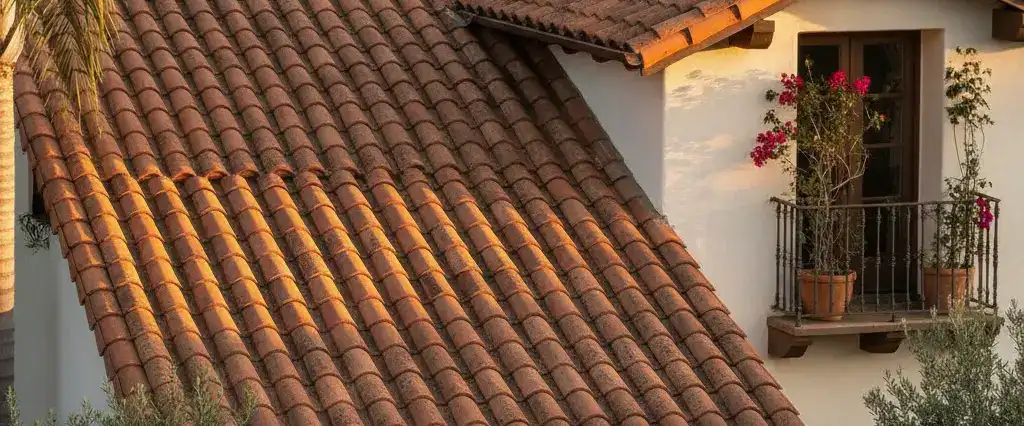
Clay Tile Roofing
Clay tile is fired clay roofing tile, the premium long-life tile roof, known for fade-resistant color and a Class A fire rating. Roof Doctors installs, repairs, replaces, inspects, and certifies tile roofs, including clay tile, for homeowners across our service area. Licensed since 1987, no advance deposit.





What Clay Tile Is and Who It Suits
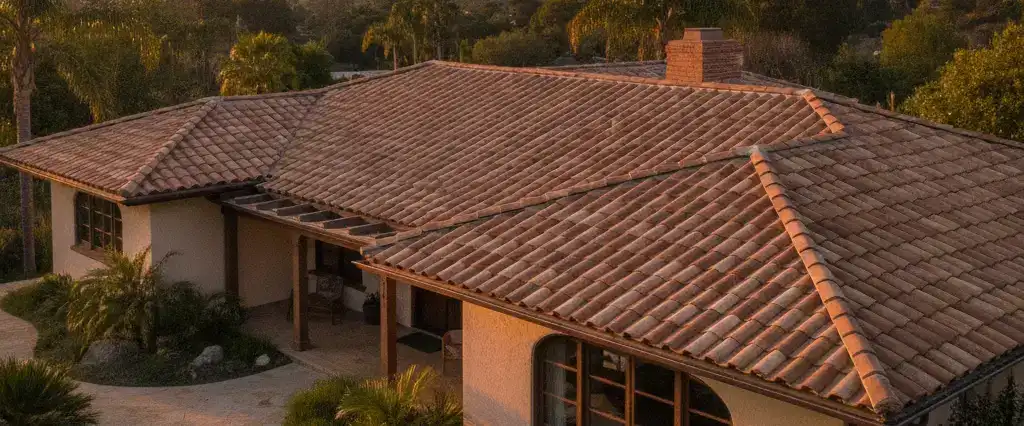
Clay tile is roofing tile made from natural clay fired at high temperatures, the traditional terracotta roof seen on Spanish and Mediterranean homes. It lasts 50 to 100 years or more, with the National Park Service noting clay tile commonly lasts about 100 years and often several hundred. Its color is fired into the body of the tile rather than applied as a coating, so it resists fading, and manufacturers rate it Class A, the highest fire classification. It is heavy, roughly 790 to 1,250 pounds per roofing square as sources state it, so the structure must be built to carry it.
Clay tile tends to make sense when
- You want the longest-life tile and the traditional terracotta or Spanish look
- You want color that is fired into the tile and resists fading
- Your home's style suits clay, including Spanish, Mediterranean, and historic looks
- The structure can carry the weight, or can be reinforced to
Trade-offs to consider first
- Clay is heavy, so the framing must support the load
- It costs more than concrete tile and much more than asphalt shingles
- Clay is more brittle than concrete and can break from impact
- The underlayment beneath it will need replacing before the tile does
Ceramic and Glazed Clay Tile
Ceramic roof tile and clay roof tile are the same fired-clay material; ceramic usually describes a clay tile finished with a glaze. The glaze is a liquid-glass coating fused to the tile in the kiln, so on a glazed tile the color sits in a hardened, vitrified surface rather than in the raw clay body.
Glazing has two practical effects. First, glazing lowers how much water the tile absorbs, which improves weather resistance; unglazed terracotta keeps its natural porous red body, while a glaze seals the surface. Second, glazing sets the color, because a fired glaze becomes inert and holds its color. In both glazed and unglazed clay the color is fired in rather than painted on, which is why clay is known for color that lasts, and sources describe through-body clay and glazed ceramic reds as among the most fade-resistant tile colors.
Clay Tile Profiles
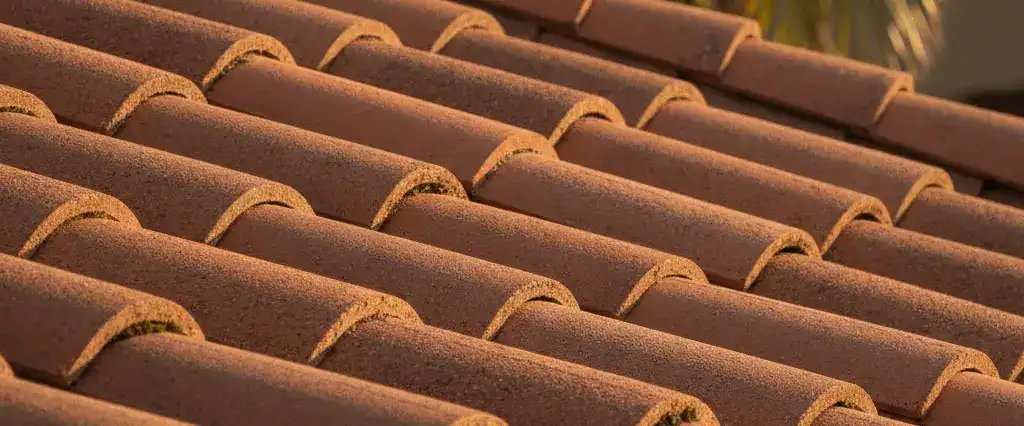
Clay tile comes in the same three profiles as other tile; the profile is the shape, not the material.
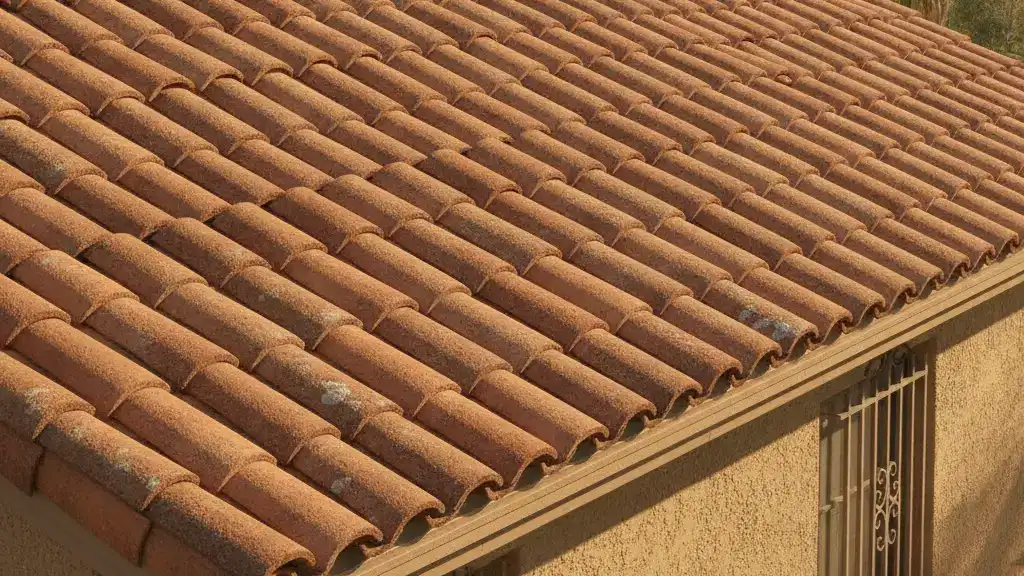
Barrel (Spanish and Mission)
The classic curved barrel profile of Spanish and Mission roofs, with deep shadow lines.
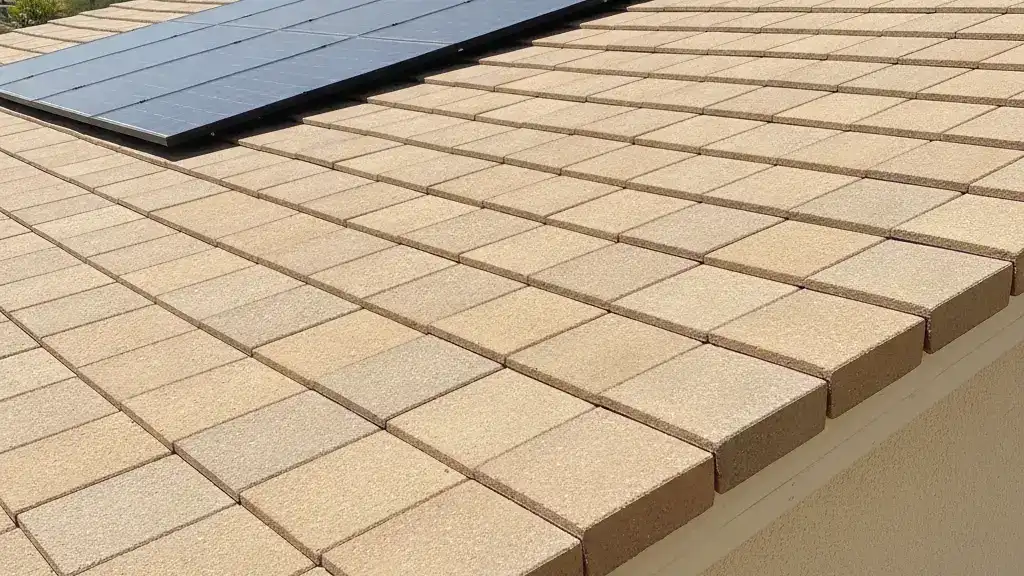
Flat
A clean, low-shadow flat profile that suits contemporary and transitional homes.
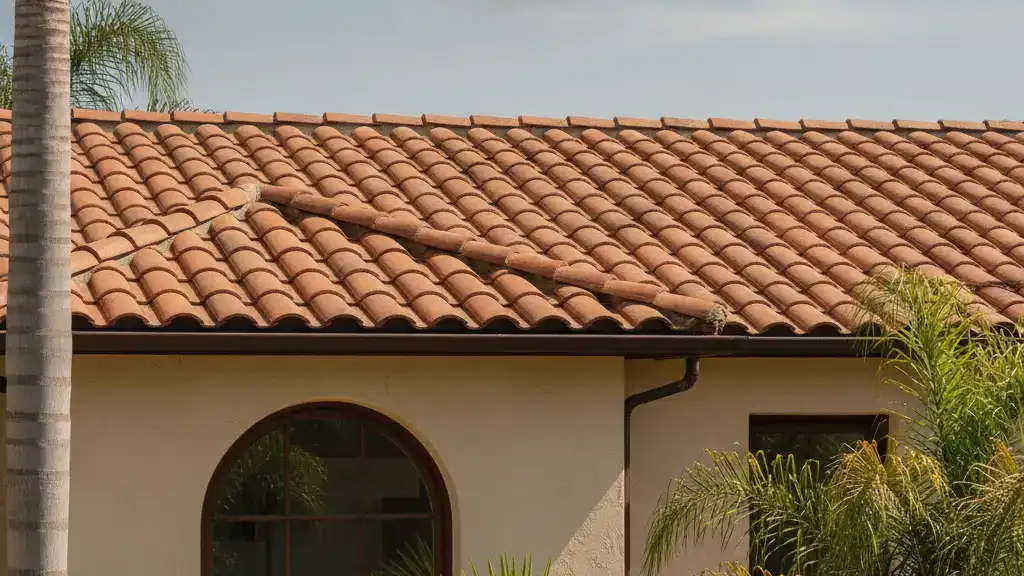
Low-Profile
A gentle S-curve between barrel and flat, a popular all-around look.
What Roof Doctors Does for Clay Tile Roofs
We work on tile roofs, including clay tile, across the full range of roofing services. Each links to its own detailed page.
Install
Install a new tile roof, including the underlayment and battens.
Inspect
A documented condition assessment of the tile roof, with a written report and photographs.
Repair
Replace cracked, slipped, or broken tiles, repair flashing, and repair the underlayment beneath.
Replace
Full re-roof, including the underlayment and battens, when a replacement is the better call.
Certify
A roof certification for a real estate transaction where the roof qualifies.
Clay Tile Across Our Service Area
Four things that matter for clay tile across our service area.
Historic and Spanish-style homes
Clay tile is the traditional roof on Spanish, Mission, and Mediterranean homes, and on many historic buildings. Because the color is fired into the tile, it holds up to the sun without fading, and matching or salvaged tile keeps repairs true to the original on older roofs.
Class A fire for high fire zones
Manufacturers rate clay tile Class A, the highest fire classification, which matters in high fire zones.
Structural weight in seismic areas
Clay tile is heavy, roughly 790 to 1,250 pounds per roofing square as sources state it. In seismic areas the structure must be able to carry the load, so a structural check comes first.
Freeze-thaw in colder areas
In colder, higher-elevation areas, clay tile sees freeze-thaw cycles. Sources note that water absorbed into a tile and then frozen repeatedly is what cracks or spalls it, and that grade matters: tile meeting ASTM C1167 Grade 1, with low water absorption, has already met the freeze-thaw requirement. For a cold-winter area, a freeze-resistant grade is the right specification.
Underlayment and Lifespan
Clay tile is the longest-lived tile; sources describe it lasting 50 to 100 years or more, with the National Park Service noting clay roofs commonly last about 100 years and often several hundred. As with any tile, the tile outlasts the underlayment beneath it, which is the actual waterproofing layer and is typically replaced every 20 to 30 years. When it reaches the end of its life, the roof is re-laid, which means the following.
Lift and Stack the Tile
The existing tile is carefully lifted and stacked so sound tiles can be reused.
Remove the Old Underlayment
The worn underlayment is stripped down to the deck.
Inspect and Repair the Deck
The decking is checked for dry rot or damage and repaired where needed.
Install New Underlayment
A new waterproof underlayment is installed, the layer that actually keeps water out.
Re-Lay the Tile
The tile is re-laid, with any cracked or broken pieces replaced and matched; clay is handled carefully because it is more brittle than concrete.
Order a Roof Inspection
Request an inspection and a knowledgeable technician will assess your clay tile roof and its underlayment and provide a written estimate within 1 to 2 business days. No advance deposit.
Pick a time that works for you. It takes about two minutes.
Other Roofing Materials
Explore the other roofing materials we install, repair, and restore.
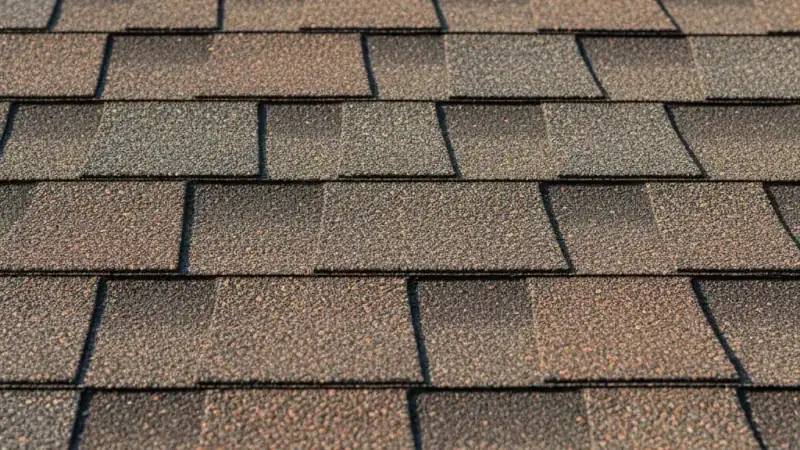
Asphalt Shingle Roofing
The most common residential roof: cost-effective and versatile.
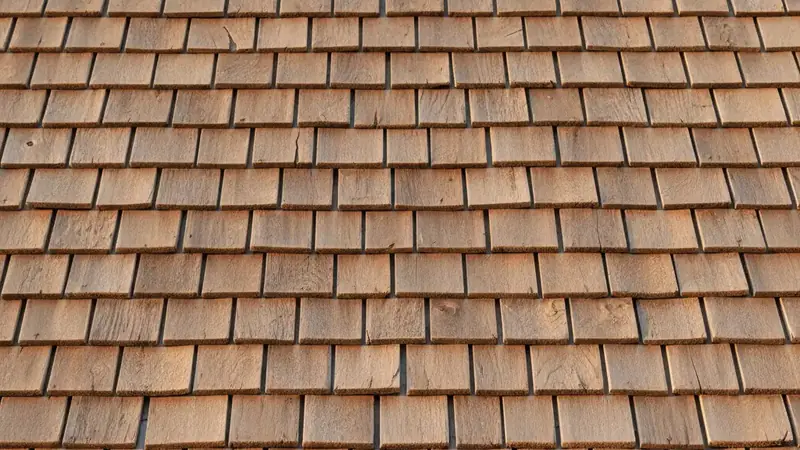
Wood Shake Roofing
Cedar shake restoration and installation, a specialty since 1987.
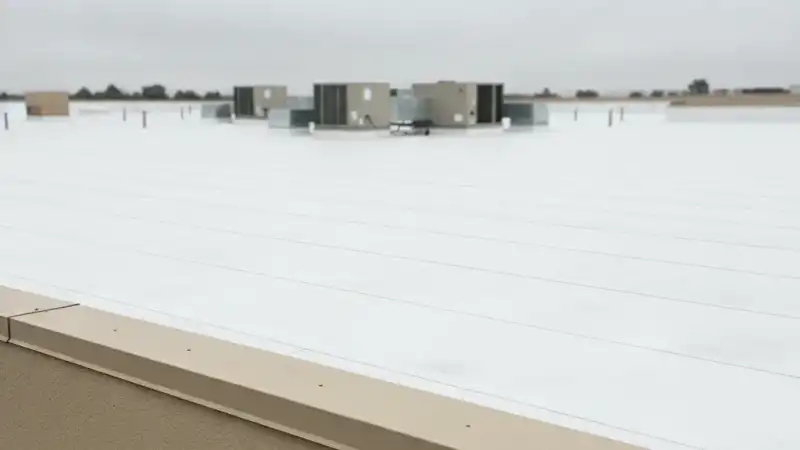
Flat Roofing
Flat and low-slope roof systems, including single-ply membranes, for homes and commercial buildings.
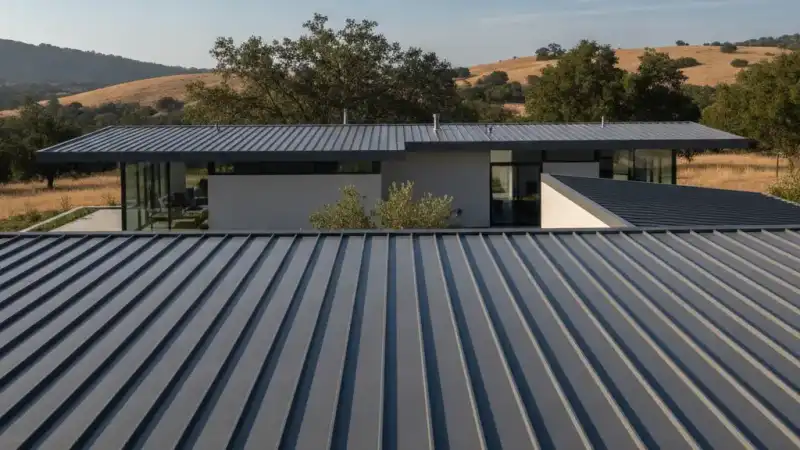
Metal Roofing
Durable metal roofing, from standing seam to stone-coated steel, built for a long service life.
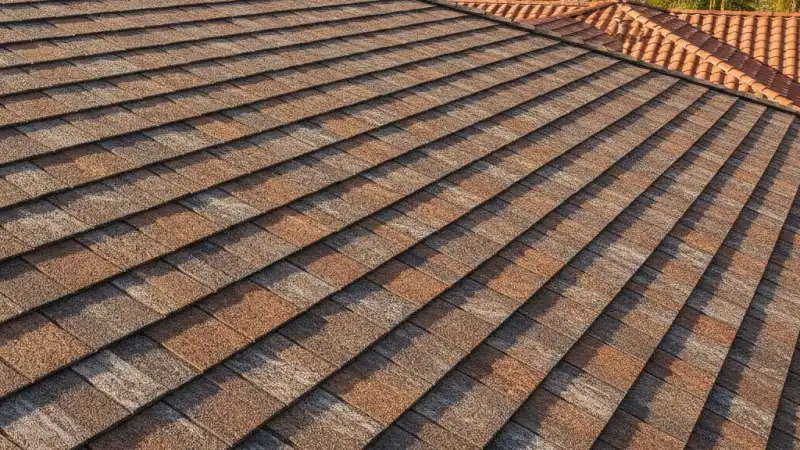
Synthetic Roofing
Engineered composite roofing that mimics shake or tile at a lighter weight.
Clay Tile Roofing: Frequently Asked Questions
How long does a clay tile roof last?
Clay is the longest-lived tile. A clay tile roof lasts 50 to 100 years or more, and the National Park Service notes clay tile commonly lasts about 100 years and often several hundred. The underlayment beneath the tile is the shorter-lived part and is typically replaced every 20 to 30 years.
What is the difference between clay and ceramic tile?
They refer to the same fired-clay material. Ceramic roof tile is clay tile that has been glazed: a liquid-glass coating is fused to the tile in the kiln. Glazing lowers the tile's water absorption and sets a vitrified color surface, while unglazed clay keeps its natural porous terracotta body. In both cases the color is fired in rather than painted on.
Why is clay tile more expensive than concrete?
The sources describe clay as the premium tile. It is made from natural clay fired at high temperatures, its color is fired into the body rather than applied as a surface coating, and the tiles are more brittle than concrete, so they need more careful handling. Those factors make clay more expensive to produce and install than concrete tile, which the sources note is typically the cheaper of the two upfront.
Can broken clay tiles be matched?
Usually, yes. Because the tiles are individual, cracked or slipped clay tiles can be replaced without redoing the whole roof. Roof Doctors repairs tile roofs and sources matching or salvaged tile where the original profile or color has been discontinued, which keeps repairs true to the original on older clay roofs.
Does clay tile fade?
Very little. Clay tile's color is fired into the body of the tile, not applied as a surface coating, so it resists fading; sources describe through-body clay and glazed ceramic reds as among the most fade-resistant tile colors. This is one way clay differs from concrete tile, whose surface coloring can fade over time.
Is clay tile too heavy for my house?
It depends on your structure. Clay tile is heavy, roughly 790 to 1,250 pounds per roofing square as sources state it, so the framing has to carry the load. A documented inspection confirms whether your structure can support clay tile, whether it can be reinforced, or whether a lighter option such as lightweight tile fits better.
Schedule Your Clay Tile Roof Inspection
A licensed inspector will assess your clay tile and the underlayment beneath it, confirm your structure can carry the load, document any issues, and provide a written estimate. No obligation, no advance deposit.