
★★★★★
“Prompt, very informative, and honest. Bill inspected my roof. No leaks. End of story. They had certified my roof a year prior. I am very satisfied with the level of service.”
EG
Eddie Gomez
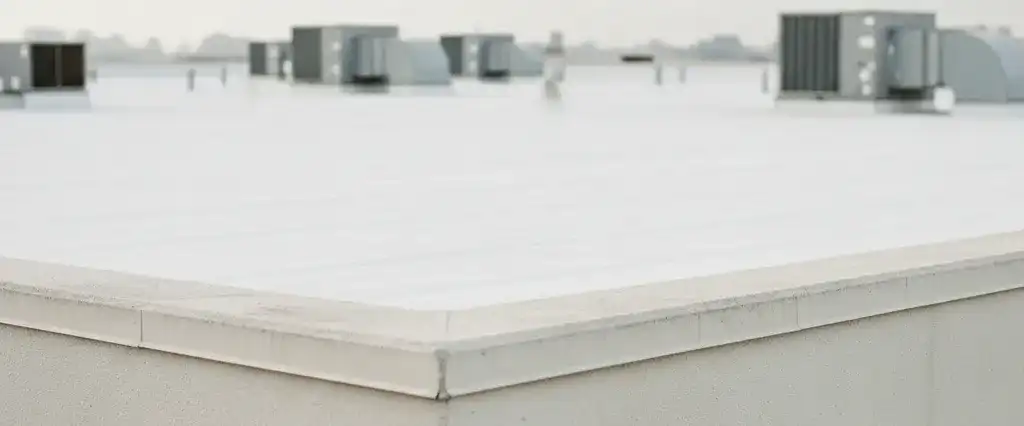
Flat roofing from a licensed and liability insured roofing contractor. Roof Doctors installs, replaces, inspects, and certifies flat and low-slope roofs, including TPO, EPDM, and PVC single-ply membrane, since 1987, with written estimates and no advance deposit.



A flat or low-slope roof is one too shallow for shingles or tile to shed water, so it is covered with a continuous system instead: a single-ply membrane such as TPO, EPDM, or PVC rolled across the roof. Most commercial buildings have flat roofs, and so do many modern and mid-century homes with flat sections, patios, and additions. Here is an honest look at where a flat roof shines and where it does not.
Flat and low-slope roofs are covered with a single-ply membrane. The right choice depends on the building, the budget, and how the roof is used. Each links to its own detailed page.
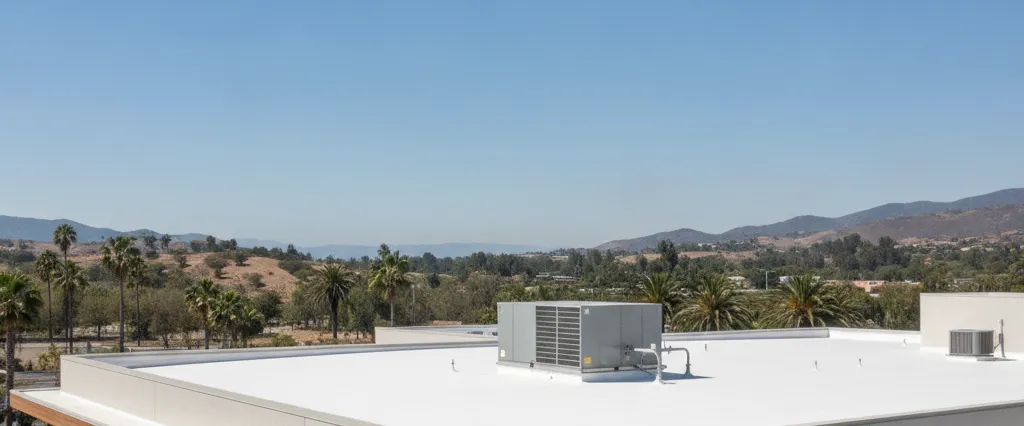
A white, reflective thermoplastic membrane with heat-welded seams, the leading choice on commercial flat roofs. Cost-effective and energy-efficient, with a typical service life of about 20 to 30 years.
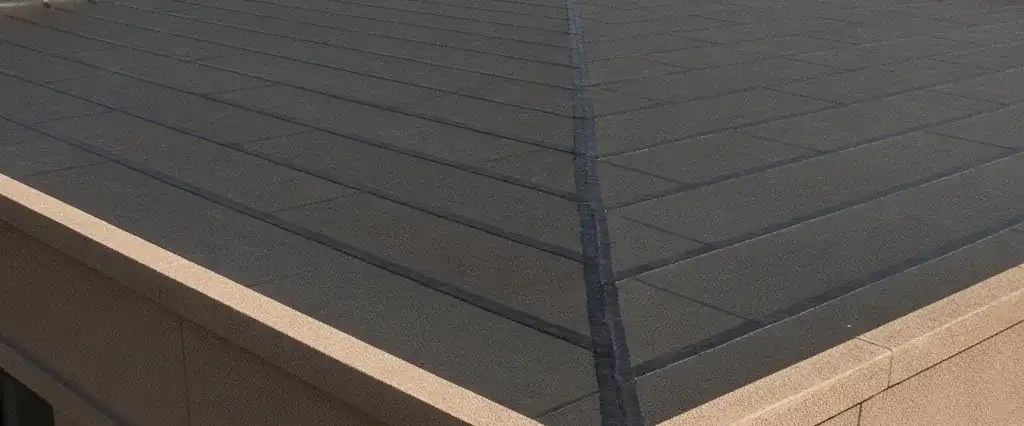
A black synthetic rubber membrane seamed with tape or adhesive, with a long, proven track record often reaching 25 to 30 years or more. Durable and flexible, though its dark surface absorbs heat rather than reflecting it.
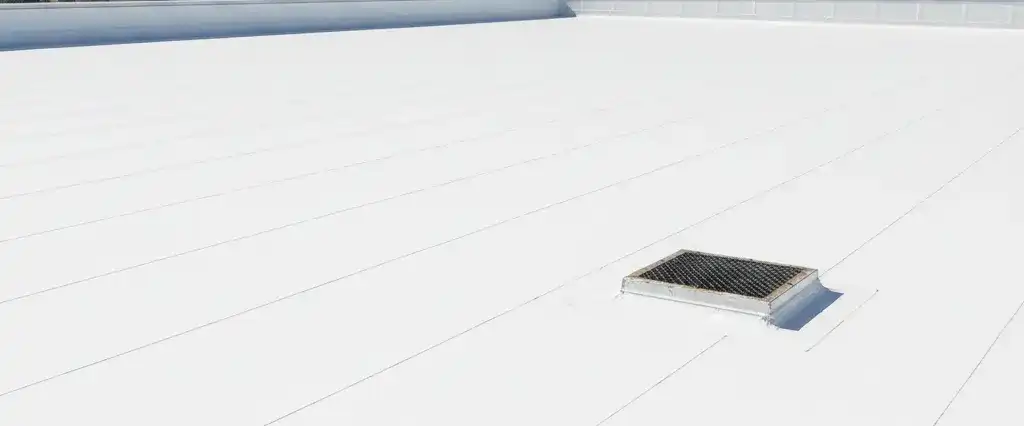
A heat-welded thermoplastic membrane like TPO, but more resistant to chemicals, grease, and fire. The premium option for restaurants and industrial roofs, at a higher cost than TPO.
Flat and low-slope roofing is one of several roofing materials we work on. For steep-slope roofs, explore the sibling material hubs to compare.
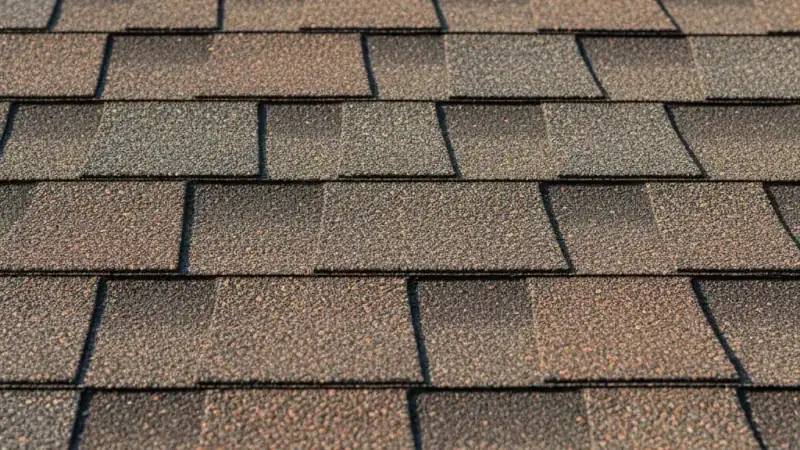
The most common residential roof: cost-effective and versatile.
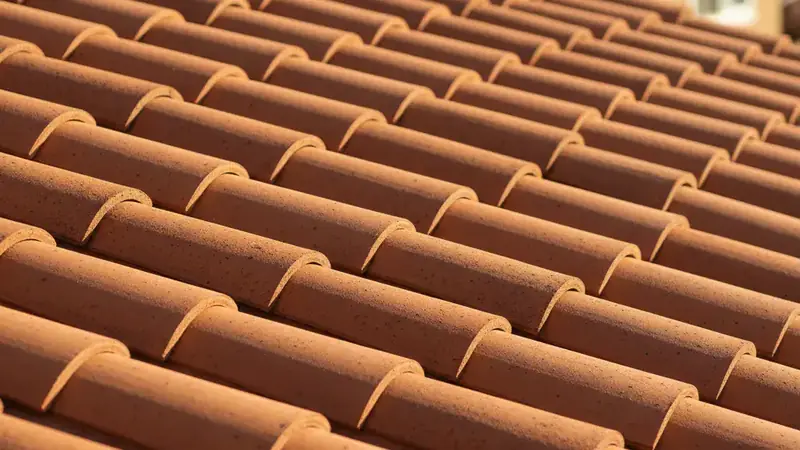
Concrete and clay tile: long-lived and distinctive.
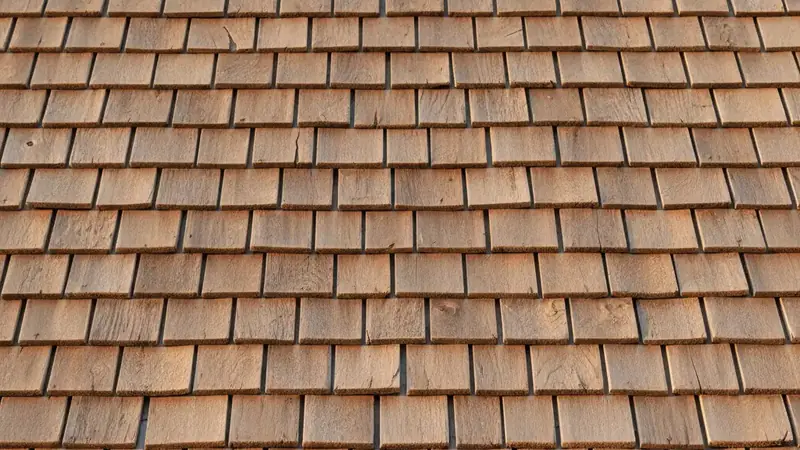
Cedar shake restoration and installation, a specialty since 1987.
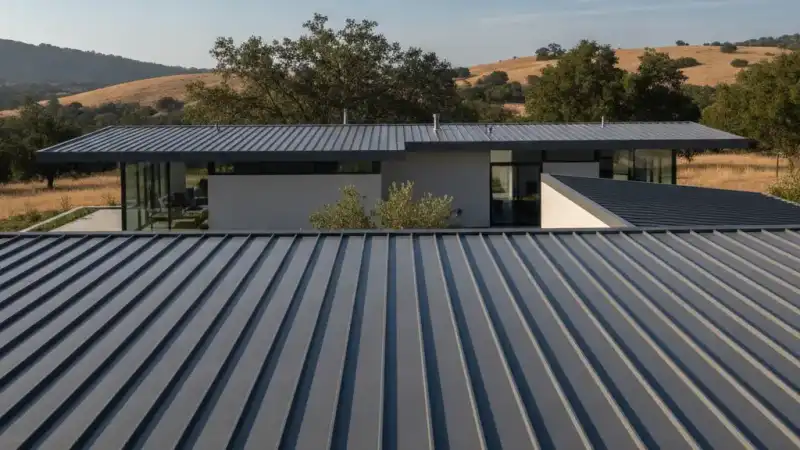
Durable metal roofing, from standing seam to stone-coated steel, built for a long service life.
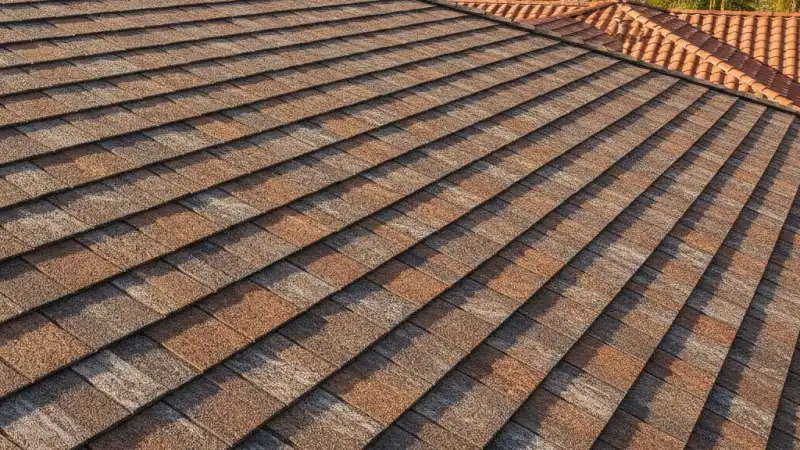
Engineered composite roofing that mimics shake or tile at a lighter weight.
From a documented inspection to a full membrane replacement, these are the services we perform on flat and low-slope roofs, each with its own detailed page.
Full tear-off and re-membrane when a flat roof reaches the end of its life.
Documented membrane, seam, and drainage condition assessment with a written estimate.
Certification when the flat roof passes inspection as it stands, for commercial and real estate transactions.
Protective coatings for flat and low-slope roofs to extend service life.
Two intake paths. Both connect you with a licensed inspector within 1 to 2 business days.
Wondering whether your flat roof is sound or needs a full re-membrane? Request a roof inspection and a knowledgeable technician will assess your membrane, seams, and drainage and provide a written estimate.
Pick a time that works for you. It takes about two minutes.
Managing a transaction? Ask about our roof certification for real estate and commercial deals, documenting the flat-roof condition for buyers and sellers.
Pick a time that works for you. It takes about two minutes.
A clear, no-pressure process. We respond promptly and schedule inspections within 1 to 2 business days.
A licensed inspector assesses the existing roof, measures the area, checks drainage, and recommends the right system for the building.
We remove the old roof or prepare the existing substrate, inspect the deck for damage, and create a clean, sound base.
On a membrane system we install rigid insulation and a coverboard to build the thermal layer and give the membrane a smooth, uniform base.
We install the single-ply membrane, rolled out and seamed across the roof.
We detail the roof at parapets, curbs, drains, and penetrations, where flat roofs most often leak.
We inspect and water-test the completed roof, clean the site, and register your workmanship and manufacturer warranties.
Decades of flat and low-slope membrane expertise, backed by real warranties and honest assessments.
We install, replace, inspect, and certify single-ply membrane, including TPO, EPDM, and PVC, on commercial and residential flat and low-slope roofs.
You pay after the work is completed to your satisfaction. No deposit required to schedule.
A fully licensed roofing contractor with General Liability Insurance on every project.
Financing is available on qualifying roofing projects through our lending partners. Ask your inspector about current options.
Every Roof Doctors flat roof is backed by layered warranty coverage, including manufacturer membrane protection on replacements.
Membrane system coverage on replacements
We install single-ply membrane systems to manufacturer specification, which qualifies full replacements for the manufacturer's membrane warranty on the material.
Labor and materials on every project
Covers the quality of our installation and workmanship on all completed flat-roof work, including the seams.
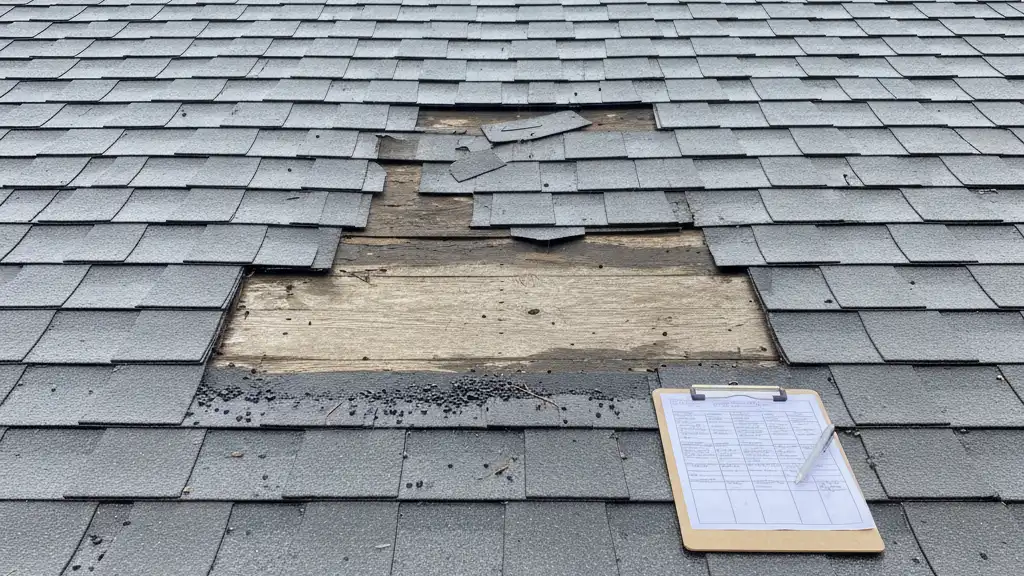
Storms, wind, and debris can puncture and lift a flat-roof membrane, and that damage may be covered by your property insurance. Roof Doctors documents the membrane and seam damage, works directly with your adjuster, and processes claims within the Xactimate and Symbility estimating platforms.













Roof Doctors serves commercial and residential properties across our service area. Find your area or view the full directory.
★★★★★
4.7 out of 5 across Roof Doctors' Google Business Profiles
“Prompt, very informative, and honest. Bill inspected my roof. No leaks. End of story. They had certified my roof a year prior. I am very satisfied with the level of service.”
“Showed up quickly during a storm, figured out problem, provided a solution.”
“Troy was informative and professional. Would recommend to other home owners.”
A flat or low-slope roof is one too shallow for shingles or tile to shed water. Instead it is covered with a continuous system: a single-ply membrane such as TPO, EPDM, or PVC rolled across the roof. Most commercial buildings and many modern homes with flat sections use one.
The most common flat and low-slope systems are single-ply membranes: TPO, a white reflective thermoplastic with heat-welded seams; EPDM, a black synthetic rubber membrane with a long track record; and PVC, a heat-welded thermoplastic that resists chemicals, grease, and fire. Built-up and modified-bitumen systems are also used on commercial roofs.
It depends on the building and how the roof is used. TPO is a cost-effective, reflective default on commercial flat roofs. EPDM has the longest track record and suits large low-slope roofs where proven durability matters most. PVC is the premium choice where a roof is exposed to grease, chemicals, or fire. We recommend the right one after an inspection.
EPDM has the longer track record and often lasts 25 to 30 years or more, while a quality TPO roof typically lasts about 20 to 30 years. TPO's advantage is its reflective surface and lower cooling costs; EPDM's is its proven durability. The right choice depends on the building and the priority.
Flat and low-slope roofs drain more slowly than pitched roofs, so where the slope or the drains are inadequate, water can pool, or pond, on the surface. Ponding is one of the main concerns on a flat roof, which is why drainage is a central part of the design and why we check it during every inspection.
An inspection determines it. If the membrane still has service life and is sound, the roof can be inspected and, when it passes as it stands, certified. Widespread membrane wear, chronic ponding, or a roof at the end of its life points to a full re-membrane. Roof Doctors inspects, installs, replaces, and certifies flat and low-slope roofs.
No. Roof Doctors does not require an advance deposit. You pay after the work is completed to your satisfaction.
A licensed inspector will assess your flat or low-slope roof, check the membrane and seams, document any issues, and provide a written estimate. No obligation, no advance deposit.