
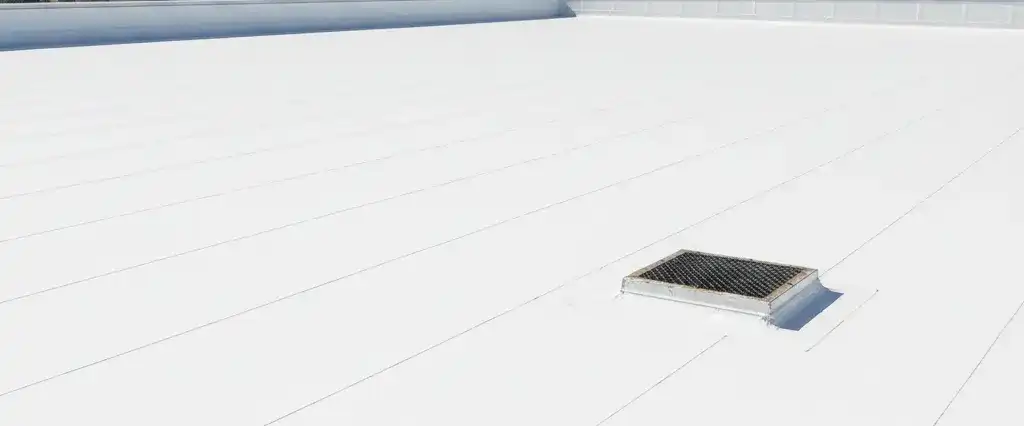
PVC Roofing
PVC is a heat-welded thermoplastic single-ply membrane for flat and low-slope roofs, more resistant to chemicals, grease, and fire than other membranes. Roof Doctors installs, replaces, inspects, and certifies flat roofs, including PVC, for property owners across our service area. Licensed since 1987, no advance deposit.





What PVC Is and Who It Suits
PVC is a single-ply thermoplastic membrane for flat and low-slope roofs, welded together at the seams with hot air, like TPO. What sets it apart is its resistance to chemicals, grease, and fire, which makes it the membrane of choice for restaurants and industrial roofs. It is usually white and reflective, and it is the premium single-ply option, at a higher cost than TPO.
PVC tends to make sense when
- The roof is exposed to grease or chemicals, as on a restaurant or kitchen
- You want a heat-welded, reflective membrane and will invest in the premium option
- Fire resistance is a priority for the building
- You have a flat or low-slope roof that shingles or tile cannot cover
Trade-offs to consider first
- PVC costs more than TPO, the more common thermoplastic membrane
- Performance depends on install quality, especially the heat-welded seams
- Like any flat roof, it is prone to ponding water where drainage is poor
- For a roof without grease or chemical exposure, TPO may deliver similar benefits for less
What Roof Doctors Does for PVC Roofs
We work on flat roofs, including PVC, across inspection, installation, replacement, certification, and coating. Each links to its own detailed page.
Install
Install a new PVC membrane over a prepared substrate, with heat-welded seams and flashing detailed.
Inspect
A documented membrane, seam, and drainage condition assessment with a written report.
Replace
Full tear-off and re-membrane when the PVC roof reaches the end of its life.
Certify
A roof certification for a real estate or commercial transaction when the PVC roof passes inspection as it stands.
Coat
Protective coatings for flat and low-slope roofs to extend service life.
PVC Across Our Service Area
Three things that matter for a PVC roof across our service area.
Restaurants and industrial roofs
PVC's resistance to grease, chemicals, and fire makes it the membrane of choice for restaurants, kitchens, and industrial buildings. Where a roof is exposed to grease or chemical vapors, PVC is designed for it.
Reflective white surface
PVC is usually white and reflective, so, like TPO, it reflects sunlight rather than absorbing it. On a flat commercial roof that can reduce rooftop heat gain compared with a dark membrane.
Drainage and ponding
Flat roofs are prone to ponding water where drainage is poor, so drainage is a central design concern on any PVC roof. We check drainage during inspection and detail the membrane to move water off the roof.
Substrate, Seams, and Installation
A PVC membrane typically lasts about 20 to 30 years. PVC is a heat-welded single-ply membrane, so, like TPO, it is only as good as its substrate, welded seams, and flashing. A typical installation goes on as follows.
Inspect and Measure
A licensed inspector assesses the existing roof, measures the area, and checks drainage before recommending a system.
Tear-Off and Prep
We remove the old roof or prepare the existing substrate and inspect the deck for damage, creating a clean, sound base.
Insulation and Coverboard
We install rigid insulation and a coverboard to build the thermal layer and give the membrane a smooth, uniform base.
Membrane and Heat-Welded Seams
We roll out the PVC membrane and hot-air weld the seams into a continuous, watertight bond, the step that defines a durable thermoplastic roof.
Flashing and Details
We flash and weld the membrane at parapets, curbs, drains, and rooftop penetrations, where flat roofs most often leak.
Water-Test and Warranty Registration
We inspect and water-test the completed roof, clean the site, and register your workmanship and manufacturer warranties.
Order a Roof Inspection
Request an inspection and a knowledgeable technician will assess your flat or low-slope roof and its membrane and provide a written estimate within 1 to 2 business days. No advance deposit.
Pick a time that works for you. It takes about two minutes.
Other Roofing Materials
Explore the other roofing materials we install, repair, and restore.
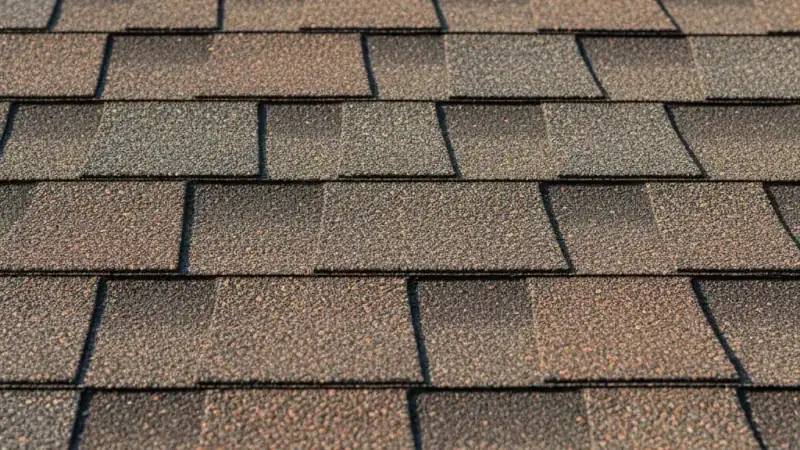
Asphalt Shingle Roofing
The most common residential roof: cost-effective and versatile.
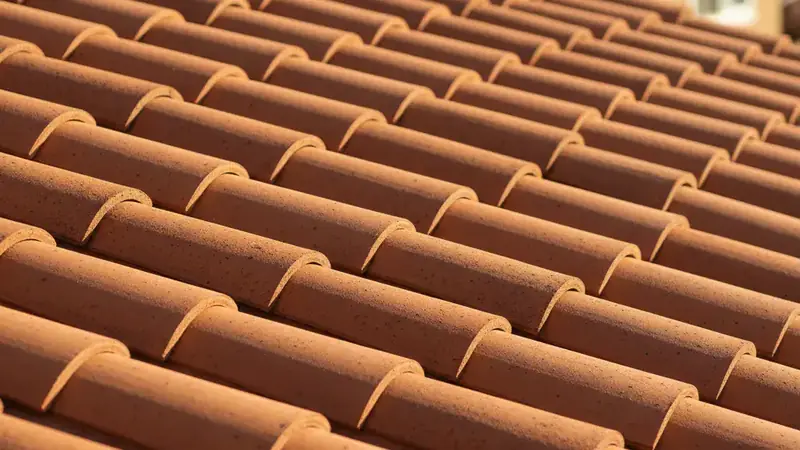
Tile Roofing
Concrete and clay tile: long-lived and distinctive.
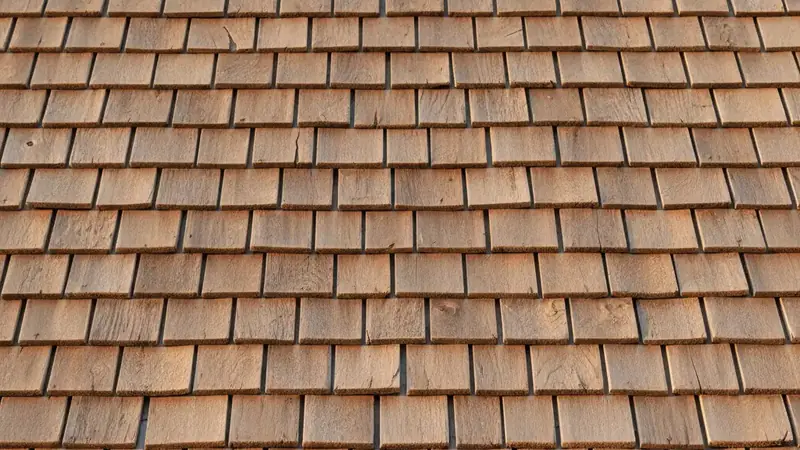
Wood Shake Roofing
Cedar shake restoration and installation, a specialty since 1987.
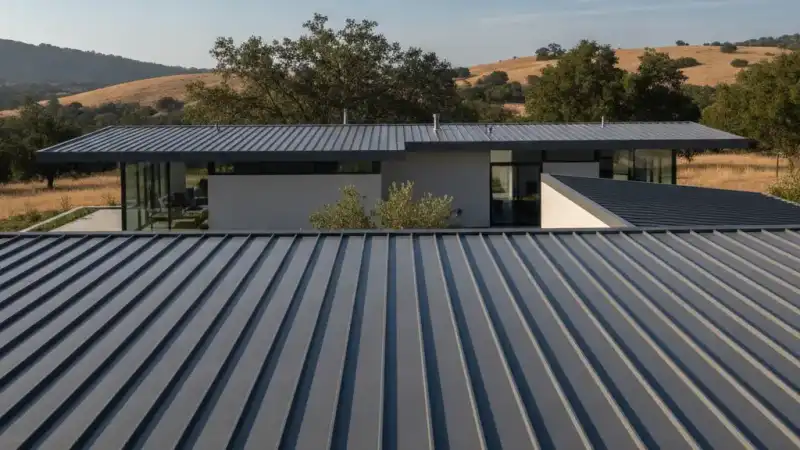
Metal Roofing
Durable metal roofing, from standing seam to stone-coated steel, built for a long service life.
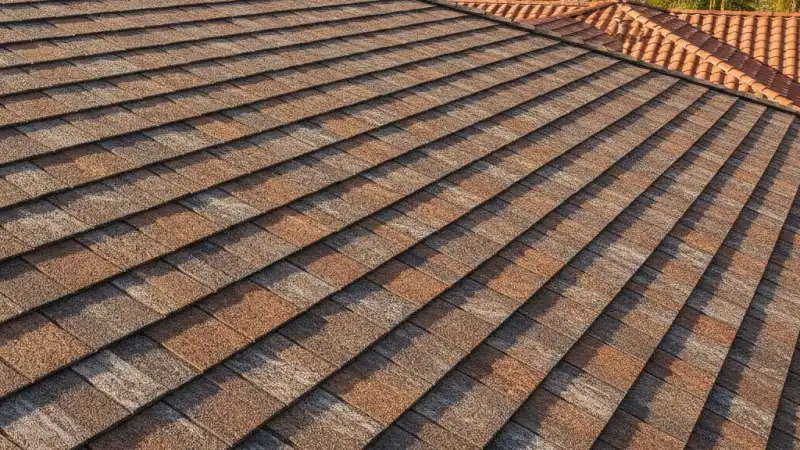
Synthetic Roofing
Engineered composite roofing that mimics shake or tile at a lighter weight.
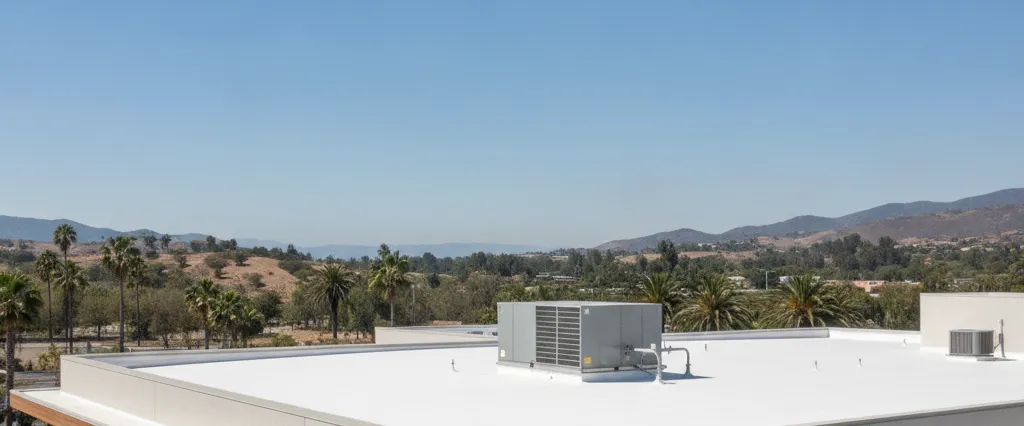
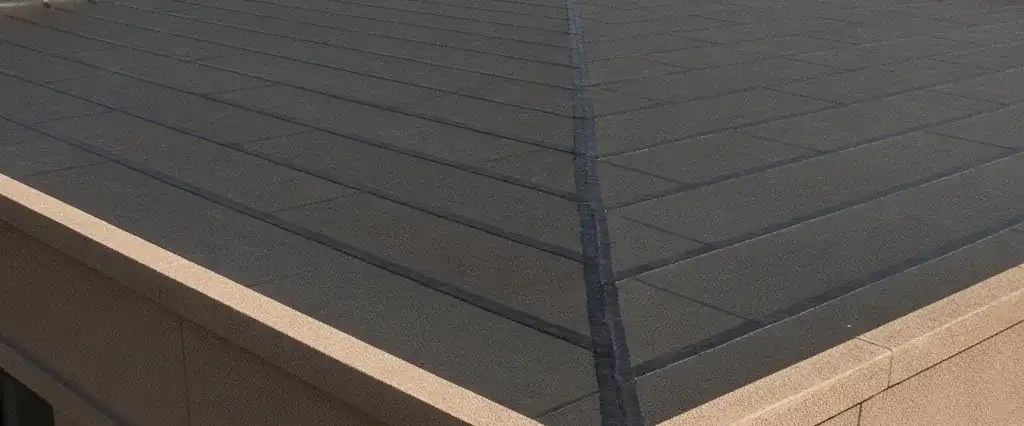
Other Flat Types
Other flat types we work with.
PVC Roofing: Frequently Asked Questions
What is PVC roofing?
PVC is a single-ply thermoplastic roofing membrane used on flat and low-slope roofs. Like TPO, its seams are joined with hot-air welds that form a continuous, watertight bond. It is usually white and reflective, and it is more resistant to chemicals, grease, and fire than other single-ply membranes.
What is the difference between PVC and TPO?
Both are heat-welded thermoplastic membranes with reflective white surfaces. The difference is that PVC is more resistant to chemicals, grease, and fire, which is why it is favored on restaurants and industrial roofs, and it is the premium option at a higher cost than TPO. TPO is the more common and lower-cost choice where that chemical and grease exposure is not a factor.
Why choose PVC over other membranes?
PVC is chosen where a roof needs resistance to grease, chemicals, or fire, such as a restaurant, kitchen, or industrial building, combined with a reflective, heat-welded membrane. Those properties are its main advantages over TPO and EPDM.
Is PVC roofing more expensive than TPO?
Yes. PVC is the premium single-ply membrane and costs more than TPO. The trade-off is its greater resistance to chemicals, grease, and fire. Every roof is priced from an on-site inspection and a written estimate, with no advance deposit.
Is PVC a good roof for a restaurant?
It is a common choice for one. PVC resists the grease and chemical exposure that a restaurant or commercial kitchen roof sees, which is one of the main reasons it is specified for food-service and industrial buildings.
When does a PVC roof need replacing?
An inspection determines it. If the membrane still has service life and is sound, the roof can be inspected and, when it passes as it stands, certified. When the membrane is worn across the roof or at the end of its life, typically about 20 to 30 years, a full re-membrane is the better call. Roof Doctors installs, replaces, inspects, and certifies PVC roofs.
Schedule Your PVC Roof Inspection
A licensed inspector will assess your flat or low-slope roof, check the PVC membrane, welded seams, and drainage, document any issues, and provide a written estimate. No obligation, no advance deposit.