
LOW-SLOPE
Low-Slope Roof Re-Covered
Before: an aged low-slope white roof surface, patched and cracked at the seams. After: a clean, uniform white low-slope surface.

Licensed California Roofing Contractor, CSLB #896271
San Francisco's roofs are as varied as its neighborhoods. Fog-damp flat roofs line the Sunset and Richmond, steep Victorian and Edwardian roofs crown the Haight, Noe Valley, and Pacific Heights, and clay tile covers Mediterranean homes in the Marina and St. Francis Wood. Roof Doctors inspects and repairs all of them, handling DBI permits, street space permits for debris boxes, and the tight access that comes with attached homes on steep blocks.





Much of San Francisco was built as attached homes and multi-unit flats, and the city's roofs reflect it. In the Sunset and Richmond districts, block after block of homes from the 1920s through the 1950s sit under flat or low-slope roofs hidden behind parapet walls, where clogged drains and worn parapet flashing cause most leaks. Older neighborhoods like the Haight, Alamo Square, the Mission, and Noe Valley hold Victorians and Edwardians from the late 1800s and early 1900s, with steep roofs, bay-window caps, and dormers that all need careful flashing. On historic blocks, we check whether a change to visible roof materials needs Planning Department review before the permit is filed.
Roof Doctors provides every category of roofing service across San Francisco. Each card links to the dedicated service page with process and warranty details.
Leak repair on flat roofs, parapets, skylights, and pitched roofs across San Francisco. The scope follows from what the inspection finds.
Full re-roofs with GAF and Owens Corning materials, from low-slope membrane systems to shingle and tile.
Pre-listing, pre-storm, and insurance-claim inspections with photo-documented written reports.
Roof certifications for San Francisco home sales and refinances, including our signature two-year certification warranty.
Single-family homes, two- and three-unit flats, and attached row houses, including shared-wall and parapet tie-ins.
TPO membrane, silicone coating, and flat-roof systems for storefronts, mixed-use buildings, and apartment blocks.
Fog-damp decking, fascia, and parapet framing are common dry rot sites, especially in the Sunset and Richmond.
Response to wind-driven winter rain and storm damage, with direct adjuster coordination on insurance claims.
Gutter protection for homes under street trees, keeping gutters and downspouts flowing through the rainy season.
San Francisco's housing stock spans four main roofing materials. Flat and low-slope roofs are far more common here than in most California cities.
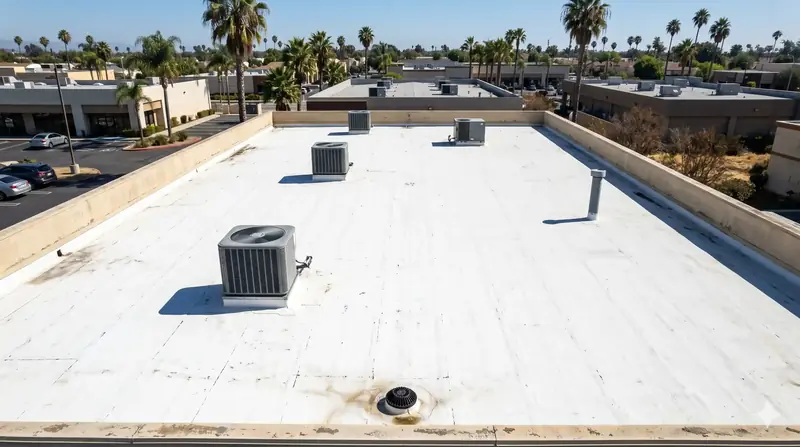
The standard roof on Sunset and Richmond homes, flats buildings, and much of the city's commercial stock. Most leaks start at drains, scuppers, parapet flashing, or roof-deck penetrations.
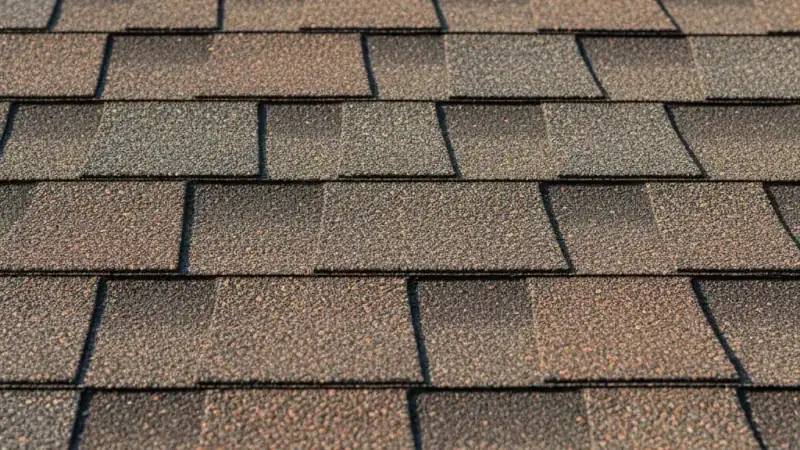
Common on the pitched roofs of Victorian, Edwardian, and cottage-style homes in Noe Valley, Bernal Heights, Glen Park, and the Excelsior.
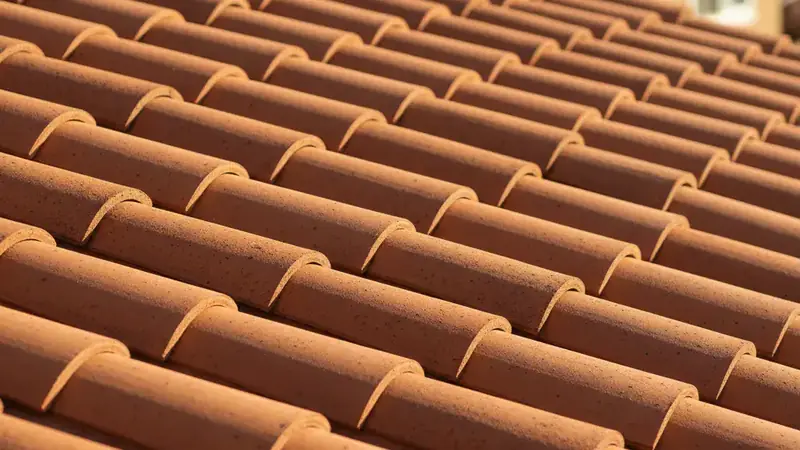
Clay tile tops many Mediterranean Revival homes in the Marina, Sea Cliff, St. Francis Wood, and Forest Hill. Tile outlasts the underlayment beneath it, which is usually what needs attention.
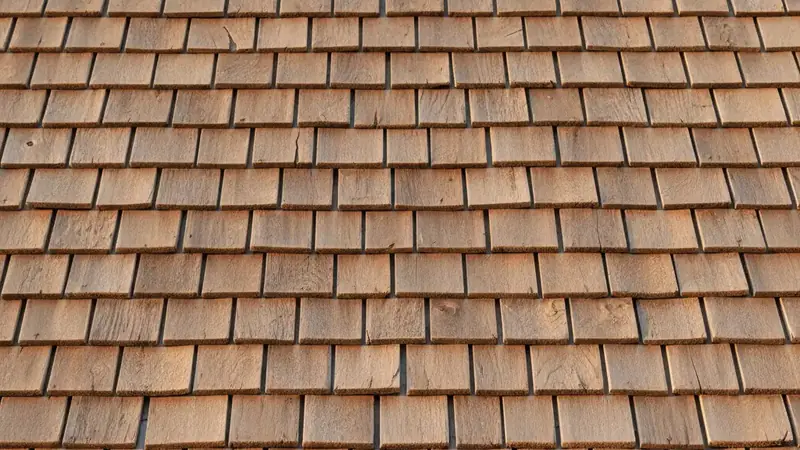
Uncommon in the city today, but still found on some older homes. Roof Doctors repairs legacy wood shake and handles replacement with modern materials.
Two intake paths depending on who you are. Both connect you to a licensed C-39 inspector within 1 to 2 business days.
Trouble with storm damage, maintenance, or leaks? Request a Roof Inspection and a friendly, knowledgeable technician will be on-site within 1 to 2 business days.
Pick a time that works for you. It takes about two minutes.
If you're looking for an inspection as part of the real estate process, we've got you covered. Make sure to ask about our signature Two-year Certification Warranty.
Pick a time that works for you. It takes about two minutes.
San Francisco rarely sees the heat that wears out roofs in inland California. Summer highs usually stay in the 60s, and fog often covers the city on summer afternoons and nights, heaviest on the west side near Ocean Beach.
That fog is the main roofing challenge. Roofs that never fully dry grow moss and algae, and moisture works into wood decking and fascia. Most of the city's roughly 23 inches of annual rain falls between November and March, often driven by strong wind.
On the west side, fog can linger for days. Roof surfaces stay damp, feeding moss and algae and slowly rotting wood decking and fascia.
Winter storms push rain sideways into flashing gaps, around skylights, and under lifted shingles. Leaks often show up at walls and parapets rather than mid-roof.
Low spots and clogged scuppers let water sit after storms, which ages membranes and roll roofing well ahead of schedule.
Homes near Ocean Beach, Lands End, and Sea Cliff see faster corrosion of metal flashing, vents, and exposed fasteners.
Roof Doctors provides service across San Francisco's neighborhoods. Inspection approach reflects the age, roof type, and fog exposure of each address.
A few examples of roofing work completed by our crews.
Before: an aged low-slope white roof surface, patched and cracked at the seams. After: a clean, uniform white low-slope surface.
Before: a tile turret with the apex tiles disturbed. After: a new color-matched metal apex cap and hip flashing formed over the turret peak.
Before: a concrete tile roof with lifted tiles exposing worn valley and hip flashing. After: new metal flashing installed, photographed with the tile staged before it was re-laid.
Permit requirements for San Francisco roofing work depend on the scope of work and the property's historic status. Roof Doctors handles permit coordination as part of the contract price.
The same 5-step process on every San Francisco project, from the first inspection through warranty registration.
A roofing specialist inspects your San Francisco property, documents damage with photos, and identifies the underlying causes.
No-obligation written estimate detailing scope, materials, timeline, and warranty terms.
If applicable, direct adjuster coordination, claim documentation, and approval processing.
Installation by a trained crew with daily site cleanup. Required DBI and street space permits pulled.
Post-completion inspection, warranty registration, and documentation handoff.
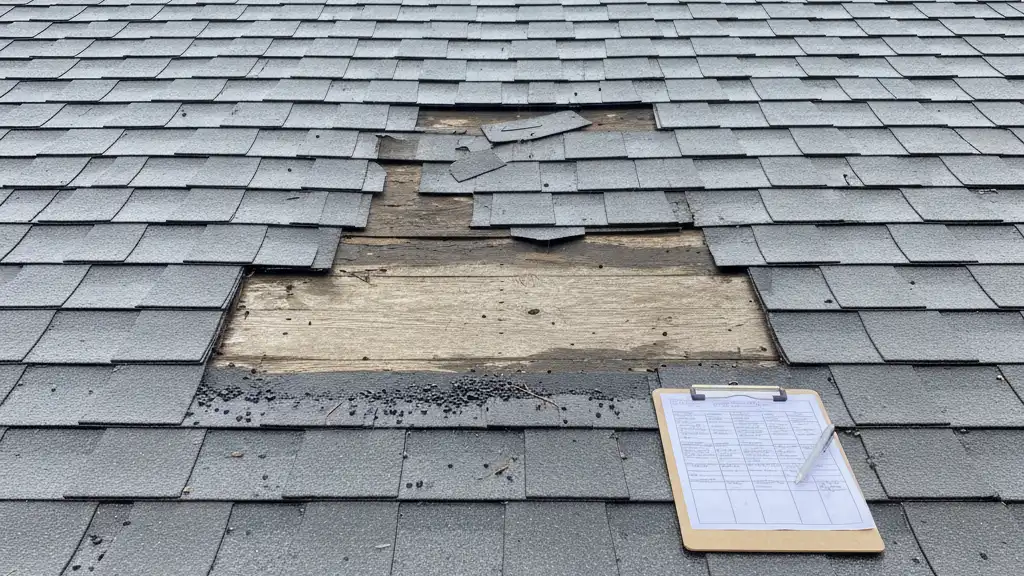
Wind and water damage from winter storms are common causes of roof insurance claims and are often covered by homeowners insurance. Roof Doctors documents the damage, works directly with your adjuster, and processes claims with major California carriers.














More than three decades of California roofing experience, applied to San Francisco's flat roofs, historic homes, and foggy microclimates.
Roof Doctors is a C-39 licensed roofing contractor (CSLB #896271), liability insured, with trained crews on every San Francisco project.
A 1-year workmanship warranty on every project, plus the GAF Silver Pledge Limited Warranty on qualifying roof replacements as a GAF Certified Plus contractor. Real estate inspections can add our signature two-year certification warranty.
Every project starts with an inspection and a no-obligation written estimate, with photos of what we found. No advance deposit.
★★★★★
4.9 stars across 45 Google reviews
“Matt was very impressive both with his knowledge, explanation of issues related to the roof and overall recommendations. Can't say enough how impressed I was with him.”
“Very friendly visit. Checked the roof and gave a few recommendations. However he was super honest and did make sure to work in my best interest. Certainly very positive visit.”
“Great experience with Mat. Thorough inspection and he took his time to explain the findings.”
Answers to the most common San Francisco roofing questions.
Roof repair costs in San Francisco depend on the specific roof, so the price is set after an inspection rather than quoted from a table. The main factors are the roof type (flat or pitched), its size and height, the condition of the decking and parapets, how easily crews can reach it, and whether a street space permit is needed for a debris box. Hidden damage like dry rot under a flat roof is often what turns a small repair into a larger one, which is why the roof is assessed before a price is given.
Re-roofing in San Francisco generally requires a permit from the Department of Building Inspection (DBI). Whether a smaller repair needs one depends on its scope. Homes that are designated landmarks or sit in historic districts may also need Planning Department review if the work changes visible roof materials. As a C-39 licensed contractor (CSLB #896271), Roof Doctors confirms what applies and pulls required permits.
San Francisco's mild temperatures are easy on roofing materials, but moisture is not. Fog keeps roofs damp for long periods, especially in the Sunset and Richmond, which encourages moss, algae, and dry rot in wood decking and fascia. Winter storms bring wind-driven rain that finds gaps in flashing. Near the ocean, salt air corrodes metal flashing and fasteners faster than in inland neighborhoods.
Roof Doctors serves neighborhoods across San Francisco, including the Sunset, Richmond, Mission, Noe Valley, Bernal Heights, Pacific Heights, the Marina, and the Excelsior. Call (800) 913-1180 to confirm service at your address.
The best time is early fall, in September or October, before the rainy season starts, so drains can be cleared and flashing repaired while the roof is dry. A late-spring inspection in April or May is useful for checking winter storm damage. Home sales usually call for an inspection at listing. Flat roofs benefit from at least one inspection a year.
Yes. Roof Doctors works directly with insurance adjusters on San Francisco storm damage claims and works with 14 major carriers, including State Farm, Allstate, USAA, Farmers Insurance, Liberty Mutual, Travelers, and the California FAIR Plan. Wind and water damage from winter storms are common causes of roof claims.
A licensed C-39 inspector will visit your property, document any issues with photographs, and provide a written estimate. No obligation, no advance deposit.