The Role of Proper Roof Ventilation in Preventing Roof Leaks and Issues
 Craig YoungCEO4 min read
In the world of home construction and maintenance, the importance of a well-ventilated roof is often overlooked. Yet, it plays a crucial role in maintaining the overall health of a home. Proper roof ventilation extends your roof’s life and prevents many other issues, including the dreaded roof leaks.
While a well-sealed roof is essential to prevent water intrusion, proper ventilation is equally important to protect your home from the inside out. This article will shed light on the role of proper roof ventilation in preventing roof leaks and related issues and why every homeowner should ensure their roof is well-ventilated.
Understanding Roof Ventilation
Roof ventilation is the process of maintaining airflow through the attic space to regulate temperature and moisture levels. The system includes intake vents in the soffit or eaves to let cool air in and exhaust vents near the roof peak to expel warm, moist air. This “stack effect” ensures a cooler, drier attic environment.
Proper ventilation is vital for home construction as it preserves the roof’s structural integrity, enhances energy efficiency, and maintains comfort inside the home. Without it, roofing issues can occur, potentially causing premature roof deterioration and expensive repairs.
The Impact of Improper Ventilation
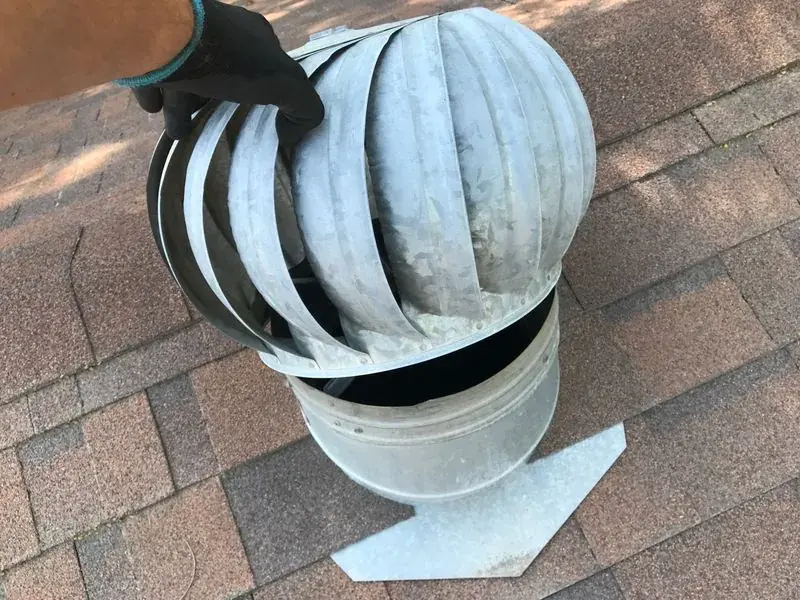
Improper or inadequate roof ventilation can significantly impact the integrity of your home, as well as your comfort and health. The ramifications of poor roof ventilation include:
- Premature Roof Aging: An inadequately ventilated roof can cause heat buildup in the attic during summer. This excessive heat can cause shingles to warp or blister, leading to premature roof aging and necessitating frequent replacements.
- Roof Leaks and Water Damage: In cold weather, inadequate ventilation can condense warm, moist air in the attic, which can cause water damage to the roof decking and rafters, leading to leaks over time.
- Formation of Ice Dams: In winter, the heat from an improperly ventilated attic can melt the snow on the roof. This melted snow can refreeze at the roof’s edge, causing ice dams that prevent proper drainage, potentially leading to leaks and water damage.
- Increased Energy Bills: Improper ventilation can lead to extreme temperature swings in the attic, forcing your heating and cooling systems to work harder to maintain a comfortable temperature in the home, thus increasing energy costs.
- Mold and Mildew Growth: Moisture buildup due to poor ventilation can promote the growth of mold and mildew in the attic, potentially damaging stored items and affecting indoor air quality.
- Deterioration of Insulation: Excessive moisture due to poor ventilation can compromise the effectiveness of insulation in the attic, further reducing your home’s energy efficiency.
Proper roof ventilation is not a luxury but a necessity. It is essential to maintaining a healthy, efficient, and long-lasting home. Consulting with a roofing professional can ensure your roof ventilation is adequate and functioning as it should be to avoid these potential issues.
Benefits of Proper Ventilation
Proper roof ventilation comes with several key benefits that play a significant role in preserving the longevity of your roof and home and promoting energy efficiency. Here are some primary benefits:
Regulating Temperature
Proper ventilation helps to regulate temperatures in the attic and throughout the home. During summer, it helps dissipate heat buildup in the attic, keeping your home cooler and reducing the strain on your ac system. In the winter, it prevents warm, moist air from condensing on the underside of the roof, which can lead to water damage.
Preventing Roof Leaks and Ice Dams
When warm, moist air accumulates in the attic, it can condense and cause water damage. Ventilation helps to remove this moist air, reducing the risk of leaks. In winter, it can also prevent the formation of ice dams, which occur when snow on the roof melts, flows down, and then refreezes at the roof’s edge.
Extending Roof Life
Proper ventilation helps to keep the attic (and thus the roof) cooler, prolonging the life of your roofing system. High temperatures in the attic due to poor ventilation can cause roofing materials to deteriorate more quickly. It can also damage the roof structure over time.
Indoor Air Quality
Ventilation removes moisture that could seep into insulation and other porous materials, which, if left unchecked, could lead to mold growth and poor indoor air quality.
Preventing Mold and Mildew
Humid, stagnant air in the attic can create the perfect environment for mold and mildew to grow. By promoting air circulation, roof ventilation helps to keep the attic dry and prevent these issues.
Energy Efficiency
By helping to regulate temperature extremes in your attic, proper roof ventilation can contribute to lower heating and cooling costs. By maintaining a well-ventilated roof, you can enjoy these benefits while avoiding potentially costly repairs or replacements in the future.
Conclusion
While the quality of roofing materials and workmanship is vital, so too is proper roof ventilation. Overlooking this critical aspect can lead to premature roof aging, damage, and a host of other issues, from increased energy costs to potential health hazards.
Therefore, when installing a new roof or replacing an old one, homeowners should consult with experienced roofing professionals to ensure an optimal ventilation system is part of the plan. This consideration will contribute to a more durable, efficient, and long-lasting roof, securing the home’s comfort and safety for many years to come.
Craig Young is the CEO of Roof Doctors and brings a background in finance, construction, and real estate to the company. He holds undergraduate degrees in International Business and Accounting and a Master's Degree in Finance. Craig is a licensed roofing contractor in California (CSLB #896271), Nevada (License #0095416), Arizona, and Florida (DBPR #CCC1333287), a HAAG Certified Roofing Inspector, and a California Licensed Real Estate Broker. He leads an EPA Lead-Safe Certified Firm and is a GAF Certified Plus Residential Roofing Contractor. He works in Xactimate and Cotality, the estimating platforms used for property assessment and insurance claim documentation. His experience spans construction, real estate, ranching, logging, land development, project management, and business operations.
Related articles
Why Is My Ceiling Turning Brown?
A ceiling turns brown when moisture, airborne particles, or trapped contaminants seep through the surface and discolor the paint or drywall. Although water intrusion is the most frequent cause, the…
DIY Tips to Patch Your Roof Like a Pro
Roof damage is one of those things you don’t want to ignore. The idea of patching your own roof might feel overwhelming at first, but with the right tools and a step-by-step approach, it’s absolutely…
The Role of Roof Leak Specialists: Ensuring Effective Leak Detection and Repair
What’s the role of roof leak specialists? Roof leaks, while often perceived as minor nuisances, can escalate into major issues if left unaddressed. The expertise of roof leak specialists is crucial…
Ready for a roof inspection?
Schedule a roof inspection and a roofing specialist will assess your roof, document its condition, and provide a clear written estimate. No advance deposit.